Subscribe to our newsletter
Copyright © 2026 lmitac.com All Rights Reserved. Contact - Terms and Conditions - Privacy Policy - Quality Policy - Vacancies - Sitemap
London Maritime Academy is a trade name for London Premier Group
version: 2.9.0
Subscribe to our newsletter
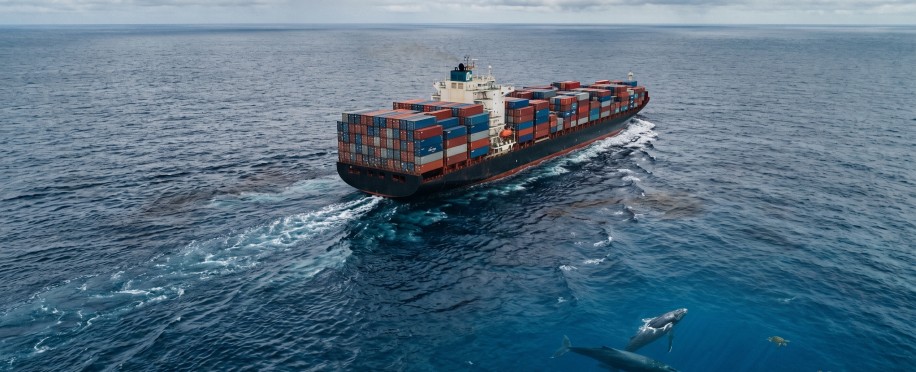
Global shipping plays a vital role in world trade, yet it also poses serious threats to marine biodiversity through pollution, underwater noise, invasive species, and climate impacts. As sustainability becomes a global priority by 2026, protecting the marine environment requires stricter regulations and cleaner maritime practices.
The Marine Environment plays a vital role in regulating life on earth, covering most of the planet’s surface and forming a complex biome of aquatic environments. It supports a wide range of living organisms in both saltwater and freshwater systems, including coastal zones that connect land and sea. Understanding the Marine Environment is essential for understanding how human activities influence interactions within the world's oceans. Shipping is one of the key factors that can negatively affect these systems, making it a global sustainability priority.
The Marine Environment is heavily impacted by underwater noise from shipping. These waters carry low-frequency sound that disrupts communication among marine mammals. Such disturbances change migration and feeding behaviour in coastal habitats. Long-term exposure can degrade unique ecological conditions and reduce population health. Protecting the Marine Environment here requires better vessel management and slower speeds.
Shipping introduces non-native organisms into new environments through ballast water discharge. This process can alter the biotic balance and reduce biodiversity in fragile ecosystems. Species such as planktons can spread rapidly, outcompeting native life. This division of biomes can permanently damage ecological stability. The IMO's ballast water management convention is a key regulatory response to this issue, with ballast water management and treatment methods.
The Marine Environment is threatened by hazardous waste, microplastics, and chemical runoff from ships. These pollutants degrade deep ocean systems and affect kelp forests along the coastal shelf. Such contamination changes habitat quality and limits ecosystem resilience. The accumulation of waste on the ocean surface poses long-term risks to marine food chains and the ecological balance. Addressing this crisis requires stricter adherence to MARPOL regulations and a focus on waste reception facilities in ports to prevent irreversible harm and reduce the impact of marine pollution on biodiversity and human health.
Direct ship grounding and anchoring damage the vulnerable seabed in the Marine Environment. Coral reefs and seagrass beds suffer structural destruction, reducing habitat for marine species. These interactions between ships and ecosystems often cause irreversible harm. Recovery depends on reducing physical disturbance and improving navigation practices in sensitive areas.
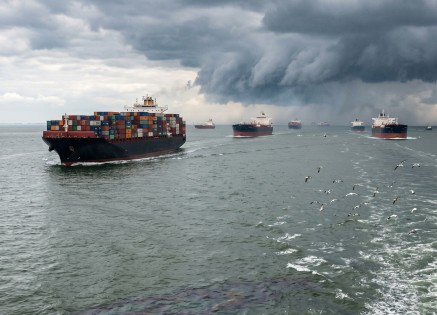
Real-life shipping catastrophes provide sobering evidence of the devastating impact maritime transport has on marine biodiversity. Events like the 1989 Exxon Valdez oil spill, which coated 1,300 miles of shoreline, and the 2010 Deepwater Horizon disaster, which released 134 million gallons of oil, have had long-lasting toxic effects on ocean biomes. Such accidents destroy delicate habitats and cause severe mortality among marine life, disrupting food webs for decades. Even recent events like the 2021 X-Press Pearl container fire highlight how chemical and microplastic spills create immediate, severe crises for the bionetwork.
By 2026, the shipping industry will face increasing pressure to align with the IMO's net-zero ambitions and broader marine protection measures.
Shipping accounts for about 2.89% of global anthropogenic CO₂ emissions, making decarbonisation a major priority for the sector.
IMO’s 2023 GHG Strategy aims for net-zero GHG emissions from international shipping by or around 2050, while the 2026 Marine Plastic Litter Strategy targets zero plastic waste discharges from ships by 2030.
Accelerating the adoption of low-carbon fuels, improving energy efficiency, and optimising vessel speed can help reduce emissions and protect marine biodiversity from the impacts of climate change, pollution, and underwater noise.
Protecting our blue planet calls for implementing effective marine pollution control strategies and mitigating shipping’s impact on marine biodiversity by rapidly transitioning toward sustaining life below water, while ensuring best maritime practices by 2026. The future of eco-friendly shipping hinges on accelerating the adoption of alternative fuels like green methanol and ammonia, alongside energy-saving technologies such as wind-assisted propulsion and air lubrication systems.
To protect fragile ocean biomes, the industry is implementing stricter biofouling management and ballast water treatment to prevent the spread of invasive species, while “just-in-time” operations help reduce underwater noise pollution, which is critical for protecting marine mammals. Furthermore, the establishment of green shipping corridors and the implementation of the High Seas Treaty allow for enhanced biodiversity protection beyond national jurisdictions. Combining these innovations with robust, data-driven regulatory compliance, the industry is transforming toward a low-carbon, regenerative future that prioritises ocean health.
Shipping significantly affects marine ecosystems, sometimes in catastrophic & irreversible ways. Sustainable, stricter regulations and eco-friendly technologies are vital to protect ocean biodiversity from further degradation.
We at LMA place great importance on environmental responsibility and offer a comprehensive range of professional courses. Kindly explore our Marine Environment Courses in London and feel free to register for the course that best suits your needs!