Subscribe to our newsletter
Copyright © 2026 lmitac.com All Rights Reserved. Contact - Terms and Conditions - Privacy Policy - Quality Policy - Vacancies - Sitemap
London Maritime Academy is a trade name for London Premier Group
version: 2.9.0
Subscribe to our newsletter
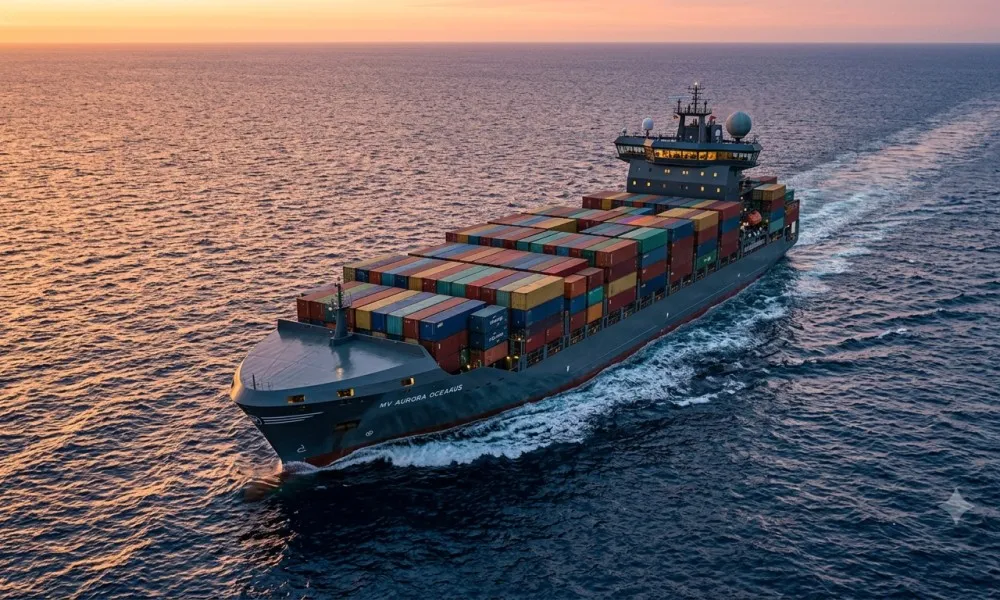
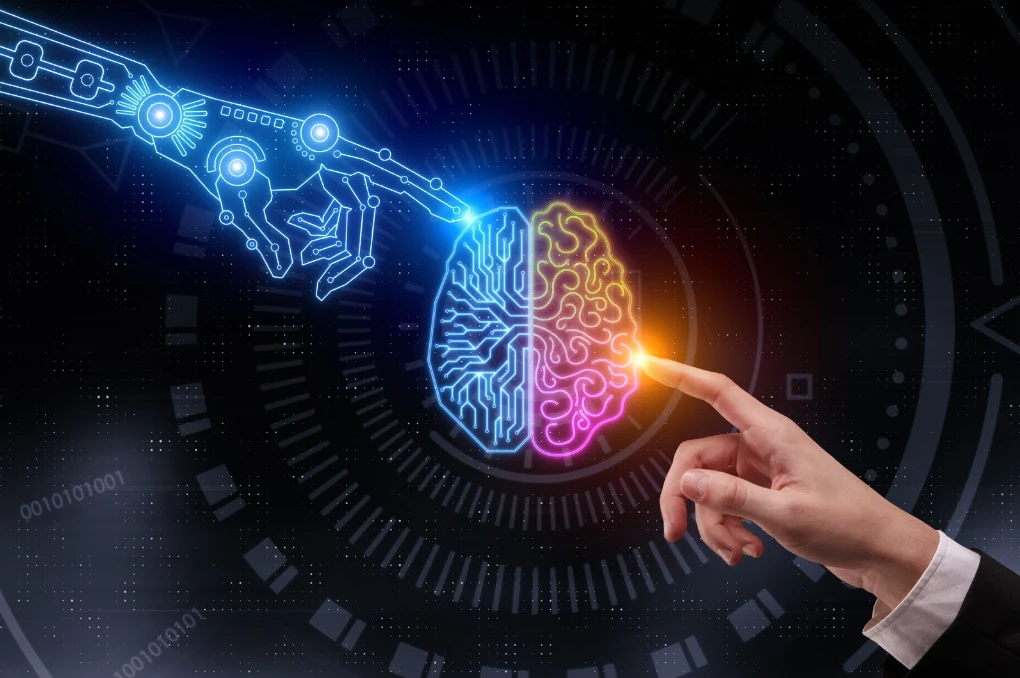
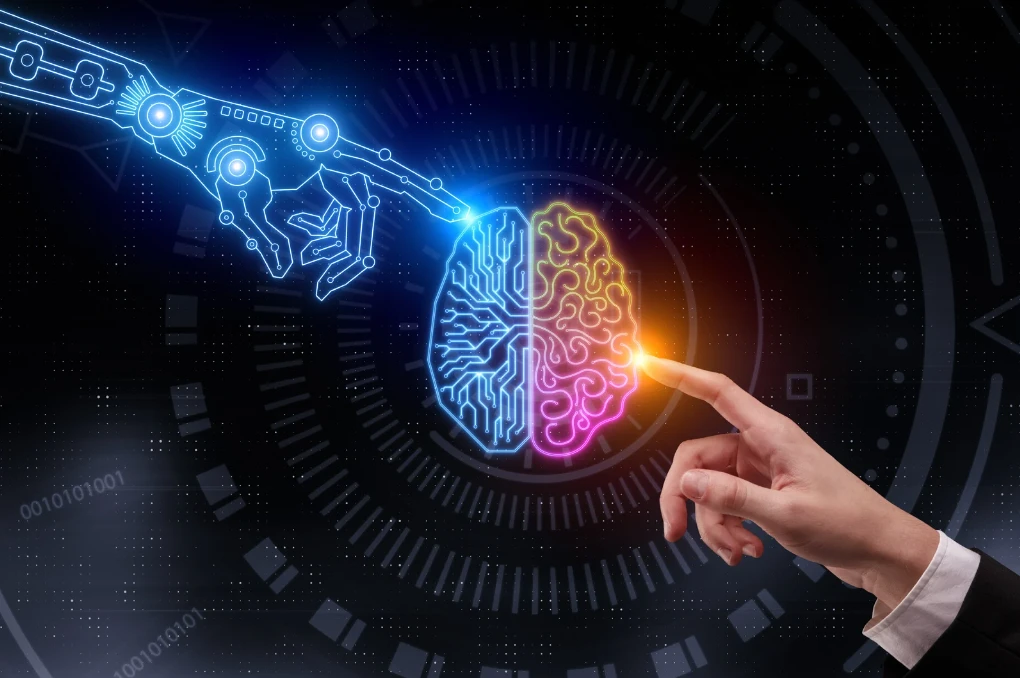
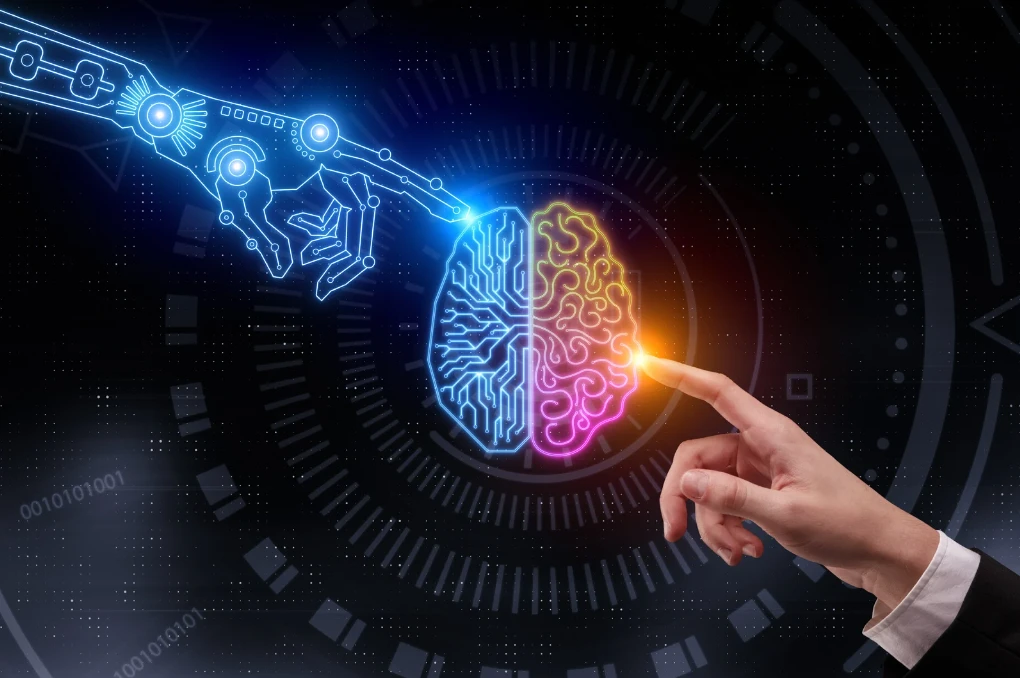
Artificial intelligence is transforming the maritime industry by improving operational efficiency, strengthening navigational safety, and supporting sustainable shipping. As digital technologies become integral to modern vessel operations, AI empowers maritime professionals with data-driven insights that enhance decision-making while complementing human expertise.
The maritime industry is entering a new era of digital transformation, where artificial intelligence is becoming a powerful tool for improving vessel operations, enhancing safety, and supporting more sustainable shipping practices. From analysing operational data to assisting navigation and optimising fuel performance, AI in the maritime industry is helping shipowners, operators, and maritime professionals make faster and more informed decisions.
As vessels become increasingly connected, the ability to collect, process, and interpret large volumes of data is becoming essential. Artificial intelligence is not replacing maritime expertise; instead, it is providing advanced decision-support capabilities that complement the experience and judgement of seafarers.
Modern vessels generate significant amounts of data from engines, machinery systems, navigation equipment, and onboard sensors. AI in the maritime industry enables operators to transform this information into practical insights, supporting predictive maintenance, improved voyage planning, and greater operational efficiency.
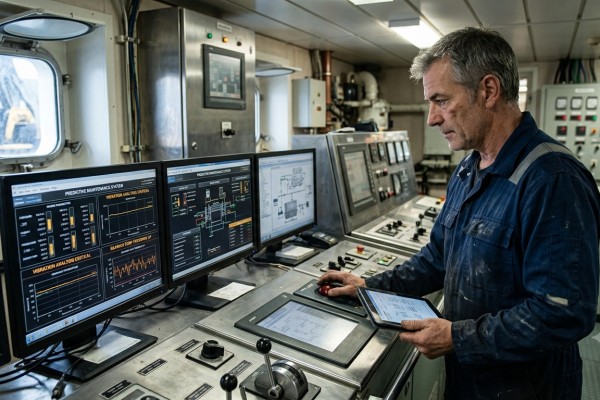
Predictive maintenance is one of the most valuable applications of AI in shipping. By analysing equipment performance and detecting early indicators of potential failures, AI-based systems can help reduce unexpected breakdowns, minimise operational disruptions, and improve vessel reliability. This approach supports a shift from traditional scheduled maintenance towards more data-driven asset management. Based on the machinery condition monitoring that identifies abnormal vibration, temperature, lubricant, or pressure patterns before a failure.
Safety remains the foundation of international shipping, and AI in the maritime industry is increasingly supporting bridge teams through enhanced situational awareness. AI-powered systems can analyse information from radar, Automatic Identification System (AIS), electronic navigation systems, weather data, and onboard sensors to assist officers in identifying risks and making better operational decisions.
However, the role of artificial intelligence remains supportive. The International Maritime Organization (IMO) continues to emphasise the importance of human competence and professional judgement, particularly under the STCW Convention, which establishes international standards for the training, certification, and watchkeeping of seafarers. For example, the risk decision support systems that integrate radar, AIS, weather, and voyage-plan information while retaining officer-of-the-watch responsibility.
The global effort to reduce greenhouse gas emissions is accelerating the adoption of digital solutions across the maritime sector. AI in the maritime industry is helping companies improve energy efficiency by optimising routes, vessel speed, trim, and engine performance, such as route, speed, trim, or engine-performance analysis linked to fuel-consumption and emissions-management decisions.
These capabilities support wider industry efforts to meet the objectives of the IMO 2023 Greenhouse Gas Strategy and improve compliance with environmental requirements under MARPOL Annex VI. By identifying operational improvements and reducing unnecessary fuel consumption, AI can contribute to cleaner and more efficient ship operations.
For maritime professionals and organisations seeking to understand these technological developments alongside international regulations and industry practices, LMA Maritime AI Training Courses provide opportunities to develop relevant knowledge and skills for the evolving maritime environment.
As reliance on digital systems increases, cybersecurity has become a critical consideration. AI-driven solutions must operate within secure digital environments, with appropriate risk management measures aligned with IMO guidance on maritime cyber risk management and the requirements of the ISM Code.
Artificial intelligence is also playing an important role in the development of Maritime Autonomous Surface Ships (MASS). Technologies such as machine learning, intelligent route planning, and automated decision-support systems contribute to the development of autonomous and remotely operated vessels.
Recognising these developments, the IMO adopted the voluntary MASS Code, effective from 1 July 2026, establishing a safety framework for ships using autonomous technologies. While AI supports many autonomous functions, the regulatory approach focuses on ensuring that new technologies achieve safety levels equivalent to conventional operations.
The growth of artificial intelligence is changing the skills required across the maritime workforce. Future seafarers and shore-based professionals will need not only traditional maritime competencies but also a stronger understanding of digital systems, data interpretation, and technology management.
Rather than replacing human expertise, AI in Maritime Industry is creating new opportunities for safer, smarter, and more efficient operations. The successful integration of AI will depend on combining advanced technologies with skilled professionals, effective regulations, strong cybersecurity practices, and responsible implementation.
The expansion of AI in Maritime Industry represents a major development in the future of global shipping. From predictive maintenance and navigational support to environmental optimisation and autonomous vessel operations, artificial intelligence is reshaping how the maritime sector approaches safety, efficiency, and sustainability.
As technology continues to evolve, the maritime industry's success will depend on adopting AI responsibly while ensuring that innovation remains guided by international standards, regulatory frameworks, and the expertise of the people who operate and manage ships.