Subscribe to our newsletter
Copyright © 2026 lmitac.com All Rights Reserved. Contact - Terms and Conditions - Privacy Policy - Quality Policy - Vacancies - Sitemap
London Maritime Academy is a trade name for London Premier Group
version: 2.9.0
Subscribe to our newsletter
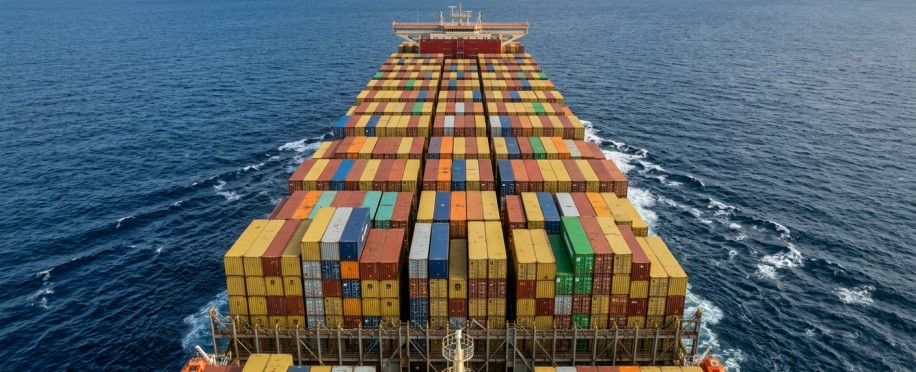
Every successful voyage depends on safe cargo handling and proper stowage. From protecting vessel stability to ensuring regulatory compliance, these practices are fundamental for maritime officers. Understanding cargo handling stowage maritime principles helps improve operational safety, efficiency, and professional capability at sea.
To this day, the maritime industry still controls over 80% of the global shipping industry. The huge volume of shipped cargo makes cargo handling stowage maritime a vital step to ensure the safety and security of shipments.
Cargo handling stowage allows maritime shipping companies to deliver cargoes from one port to another while keeping them safe, ensuring full space capacity, and keeping all other operations effectively functioning.
In this comprehensive article, we will explore everything about cargo handling and stowage operations, why they are important, key marine cargo principles, global regulations and codes, mistakes to avoid, and tips to improve your cargo operations, systems, and skills.
Cargo handling stowage maritime refers to the safe planning, loading, securing, shipping, transporting, and unloading of cargo on vessels. Proper cargo stowage and securing is a basic step to ensure vessel stability, protect cargo, enhance people safety, support efficient shipping operations, and comply with international maritime regulations throughout every voyage.
Proper handling and stowage of incoming cargoes keep them safe and secured, which protects ship stability, workers' safety, cargo value, and people's investment.
Learning the efficient principles of cargo handling stowage maritime will allow you to apply and master advanced cargo handling techniques, improve arrangements, and ensure safe cargo delivery methods.
Professional cargo planning considers vessel capacity, cargo types, stability requirements, ship spaces, and loading schedules to ensure safe delivery of containers.
A cargo specialist should understand cargo categories and characteristics, including weight, dimensions, hazards, and storage requirements, to ensure safe transportation.
We can say that cargo securing is all about keeping the vessel stable during shipping and in all conditions, thus, correct cargo placement, bulk management, and continuous monitoring are main principles to manage dangerous vessel movement.
Proper weight distribution and management minimize structural stress and deck risk, ensure ship stability, and improve performance and navigation at sea.
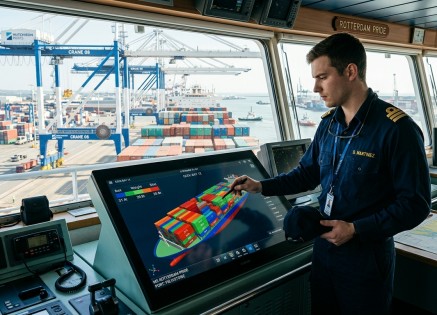
Cargo placement and securing methods should prevent random movements caused by rolling, pitching and vibrations, and rough sea weather using approved securing equipment and logistics.
Risky, chemical, food, and temperature-sensitive cargoes should be placed separately with special techniques and inspection procedures to prevent contamination, reactions, and safety risks.
Use the unique International Maritime Dangerous Goods Code IMDG code for dangerous goods requiring proper labeling, isolation, documentation, and handling according to international industry standards.
During shipping, regular inspection activities should be done to identify shifting cargo, arrangements, or leaks and apply expeditious response before they create serious safety risks to ship logistics.
Marine officers need to learn, understand, and master these maritime regulations to apply the best cargo handling and stowage maritime principles as you can find below some of the codes and conventions but not limited to used in CSS operation:
Understanding these possible mistakes helps professionals apply the right techniques, activities, and principles to avoid them effectively:
Maritime officers must always aim to boost their cargo handling skills with professional steps and courses to stay updated and confident.
STCW training develops essential knowledge and practical competencies required for safe cargo handling, modern vessel operations, and regulatory compliance worldwide.
Hands-on shipboard experience strengthens decision-making, problem-solving, and confidence while applying cargo handling and stowage procedures.
Specialized maritime training improves coordination between teams and ensures safer loading, monitoring, and unloading even throughout heavy bulk voyages.
An advanced container cargo handling and care course in Dubai covers technical knowledge and improves regulatory understanding.
Proper cargo handling stowage maritime is an essential step in all shipping operations to ensure the vessel will reach its destination with a safe crew, cargo, and ship.
Make sure to learn all about cargo handling and stowage with a professional maritime academy to boost your knowledge, skills, and career, and gain accredited certification.