Subscribe to our newsletter
Copyright © 2026 lmitac.com All Rights Reserved. Contact - Terms and Conditions - Privacy Policy - Quality Policy - Vacancies - Sitemap
London Maritime Academy is a trade name for London Premier Group
version: 2.9.0
Subscribe to our newsletter
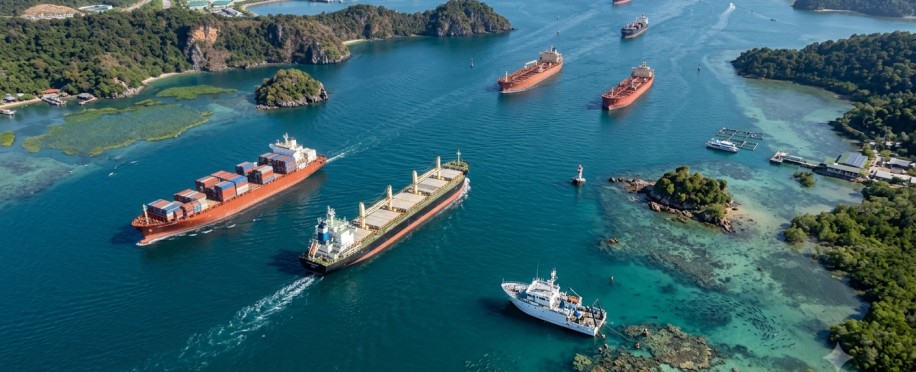
Marine Environmental Impact Assessment (MEIA) is a critical process for understanding and managing the environmental effects of maritime activities. By evaluating potential impacts on marine ecosystems, water quality, and coastal environments, MEIA helps organizations develop safer, more sustainable, and responsible maritime operations.
Marine environmental protection has become a key consideration in modern maritime development. The expansion of shipping activities, port infrastructure, offshore energy projects, and coastal industries has increased the need for structured processes that identify and manage environmental risks before activities begin.
Marine Environmental Impact Assessment (MEIA) provides a systematic approach for evaluating how proposed maritime and coastal activities may affect marine ecosystems, water quality, biodiversity, and surrounding communities. Rather than being only a regulatory requirement, these assessments have become an important decision-making tool for improving project design, reducing environmental risks, and supporting sustainable marine operations.
Consistent with the environmental objectives promoted by the International Maritime Organization (IMO), effective assessment practices support pollution prevention, ecosystem protection, and responsible use of marine resources.
The application of MEIA is generally governed by national environmental regulations, regional requirements, and international environmental principles. While IMO does not establish a single global assessment procedure, several IMO conventions provide important environmental considerations for maritime activities.
The International Convention for the Prevention of Pollution from Ships (MARPOL) remains one of the primary frameworks for controlling pollution from ship operations, while the Ballast Water Management Convention addresses risks associated with the transfer of harmful aquatic organisms between regions.
Environmental assessments are also increasingly connected with broader IMO priorities, including reducing marine pollution, improving environmental performance, and supporting sustainable shipping practices. For operators and project developers, this means environmental considerations must be integrated into planning rather than addressed only after risks emerge.
A comprehensive MEIA normally begins with screening and scoping to determine the level of assessment required and identify the environmental factors that require detailed evaluation.
The main stages typically include:
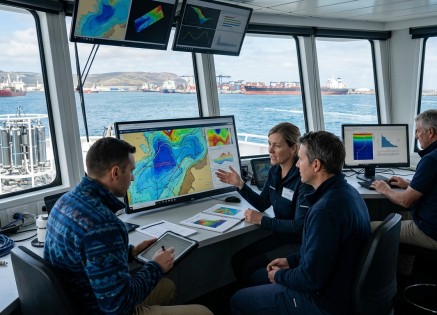
Assessment methods vary depending on the activity and location. They may include marine habitat surveys, water and sediment testing, underwater noise assessments, and modelling of pollutant movement or coastal changes.
For example, a port expansion project involving dredging activities may require detailed sediment analysis to determine whether seabed disturbance could affect nearby ecosystems. Similarly, an offshore energy project may require underwater noise assessments to evaluate potential impacts on marine species during construction activities.
Environmental Risks and Mitigation Measures
Marine activities can influence ecosystems in different ways, making risk identification one of the most important elements of MEIA processes. Common areas of assessment include:
A strong assessment does not simply identify environmental concerns; it provides practical solutions. These may include improved operational controls, restricted activity periods, pollution prevention measures, habitat protection strategies, and long-term monitoring programmes.
Environmental assessment practices differ between regions depending on local regulations, ecosystem sensitivity, and the nature of maritime activities. However, the overall direction is moving toward more comprehensive and science-based approaches.
Modern MEIA applications increasingly consider cumulative impacts, recognising that the combined effect of multiple activities can create greater environmental pressure than a single project alone. This is particularly relevant in busy coastal zones where shipping, industrial development, and offshore activities operate close together.
Technology is also improving assessment accuracy. Satellite monitoring, Geographic Information Systems (GIS), remote sensing, and advanced modelling tools allow specialists to analyse environmental conditions more effectively and support better decision-making.
For maritime organisations, environmental assessment is becoming an essential part of operational planning. Inadequate assessment or poor mitigation planning can result in project delays, additional monitoring requirements, increased costs, and reputational risks.
Environmental responsibility requires cooperation between regulators, ship operators, project developers, and trained personnel. Understanding marine ecosystems and environmental requirements enables professionals to make informed decisions throughout the project lifecycle.
Professional training supports this capability by strengthening awareness of environmental regulations, marine ecosystems, and practical protection measures. Programmes such as LMA Marine and Coastal Environments Training Courses help professionals develop the knowledge required to manage environmental challenges effectively.
The future of MEIA will increasingly involve climate considerations, biodiversity protection, and advanced monitoring technologies. As maritime activities continue to expand, assessment methods will need to become more predictive, using improved data collection and digital tools to identify risks earlier.
Greater cooperation between governments, scientific organisations, industry stakeholders, and international bodies such as IMO will remain essential. Protecting marine environments requires not only effective regulations but also informed decision-making by those involved in maritime operations.
Marine Environmental Impact Assessment processes are an important foundation for sustainable maritime development. By identifying risks, evaluating potential impacts, and establishing effective mitigation measures, MEIA enables projects to progress while reducing harm to marine ecosystems.
As environmental expectations continue to rise, the maritime industry must adopt proactive approaches that combine compliance, technical knowledge, and operational responsibility. Sustainable maritime growth depends on maintaining a balance between economic development and the long-term protection of the marine environment.