
Subscribe to our newsletter
Copyright © 2026 lmitac.com All Rights Reserved. Contact - Terms and Conditions - Privacy Policy - Quality Policy - Vacancies - Sitemap
London Maritime Academy is a trade name for London Premier Group
version: 2.9.0
Subscribe to our newsletter
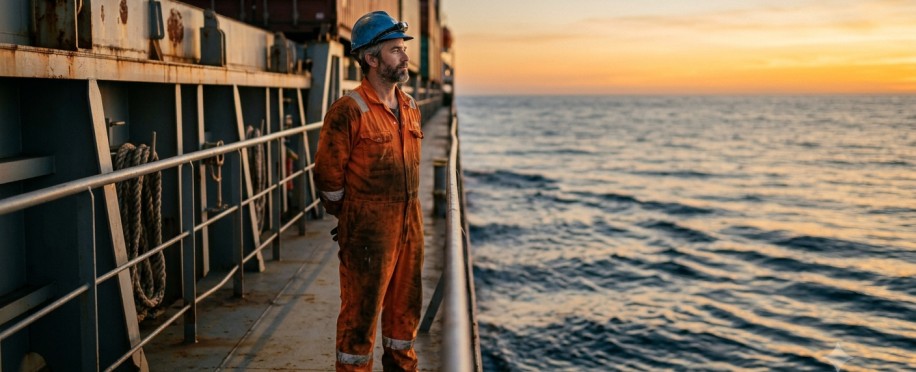
Seafarer mental health plays a vital role in maintaining safe, productive, and resilient maritime operations. Long periods at sea, demanding workloads, and isolation can affect emotional wellbeing, making effective support, practical handling strategies, and professional training essential for every modern seafarer.
Seafarers on board face different challenges, including wellness and mental health issues. These issues directly impact the efficiency and productivity of seafarers.
Moreover, seafarer mental health is one of the key issues seafarers are facing nowadays, especially those with long time at sea. However, with the right welfare and wellbeing strategies, seafarers could go through the entire voyage without real mental health challenges.
Continue reading our comprehensive guide to learn all about seafarer mental health, why it is important, common causes, signs of mental health issues, effective ways to improve seafarer mental health, and professional maritime training to boost your practical skills and career.
Seafarer mental health refers to the emotional, psychological, welfare, and social wellbeing of maritime professionals while working off-shore, especially for long periods. It involves managing stress, maintaining healthy relationships, handling sea isolation, and developing resilience to manage the unique challenges and issues of life on vessels.
Seafarer mental health is essential in the maritime industry to maintain safety, productivity, and effective teamwork onboard. Published studies show that healthy seafarers and crew members are capable of making better decisions, following shipping standards, communicating clearly, managing complex emergencies and issues effectively, and contributing to safer maritime operations while reducing risks caused by stress, fatigue, and emotional challenges.
There are several causes of mental health challenges at sea, due to the hard operational conditions, long time at sea, social isolation, and other factors.
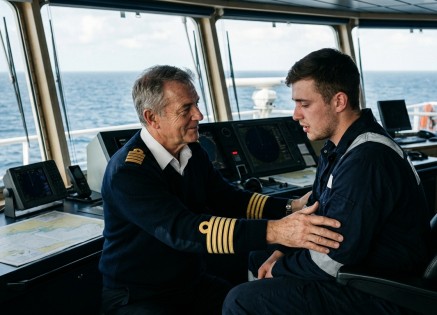
Addressing wellness in the maritime profession is very important, not only to know which crew member needs help, but to be able to deliver the suitable helpline and support based on each seafarer’s concerns and needs. Key signs of seafarer mental health challenges are:
Providing professional mental health support for working seafarers is essential to protect their welfare, wellbeing, and support seafarers.
Sometimes staying on board can feel like a continuous working experience. Thus, make sure to maintain healthy work-rest environment approaches for your team to reduce stress, prevent fatigue, improve focus, and support emotional wellbeing during long periods at sea.
Eating good and balanced meals, staying hydrated, and getting quality sleep are identified practices to strengthen physical health, improve mood, and support resilience against daily challenges onboard.
Regular exercise time, not physical activities during work, can effectively boost energy, reduce stress hormones, improve sleep quality, increase happiness, and enhance mental health.
When seafarers have reliable and strong internet network access, they will be able to communicate online with loved ones, check on them, and focus more on work.
Support working seafarers with quality training and insights to develop effective stress management and emotional intelligence skills. This allows them to handle pressure, communicate effectively, and resolve conflict better.
Provide confidential professional counseling, peer support, and mental health resources on board, this encourages early intervention, helping seafarers manage challenges before they affect their welfare and wellbeing.
Professional maritime training equips seafarers with practical skills to recognize stress issues, manage emotions, communicate effectively, and respond to safety-challenging situations with stability and professionalism. Maritime human element courses in Athens strengthen teamwork, leadership, resilience, and decision-making, helping create a safer, healthier, and more supportive onboard environment for all seafarers.
Supporting seafarer mental health is a key factor in the maritime industry, as it not only protects seafarers at sea but also the entire maritime industry's success and stability. Mental health and wellbeing of seafarers can be supported effectively with simple steps and well-established human resources strategies.
Make sure to boost your mental health management skills with professional maritime training with accredited certification, updated data and insight, and global guidelines from a reliable maritime academy.