
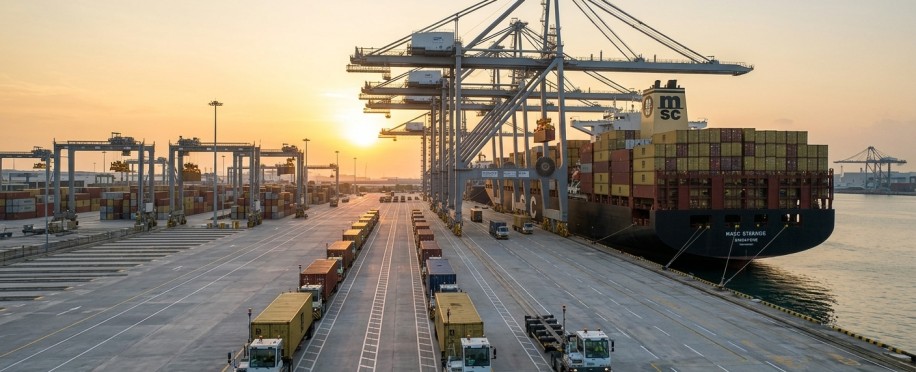
Smart port digitalisation is transforming maritime operations through automation, connected technologies, and data-driven decisions. From improving cargo handling to enhancing efficiency and sustainability, discover how smart ports are reshaping global shipping and why developing digital skills matters for maritime professionals.
Ports are considered the core operation centre in the maritime industry. Thus, developing them with new infrastructure, technologies, and equipment is a vital step for port management and international shipping operations.
Smart port digitalisation is stepping out from the trend phase to become a necessity for modern port operations where productivity, efficiency, and profitability are better.
Continue reading our article to learn all about smart port digitalisation, including technologies, digital transformation in ports, benefits, most advanced ports, and what port automation skills you need to support your maritime career.
Smart port digitalisation is the integration of digital technologies and automation solutions into port operations to improve efficiency, safety, and sustainability. By connecting systems, modern equipment, and data, smart ports enable real-time monitoring, automated processes, informed decision-making, and better coordination among internal and external stakeholders throughout different maritime supply chains.
The evolution of smart ports includes different technologies, including IoT, AI, big data, 5G connectivity, and more, to improve operations and port management.
Modern IoT devices and sensors connect port equipment, containers, and infrastructure, allowing real-time monitoring of cargo, equipment, and operational activities.
AI and big data analyse operational information to estimate demand, optimise resource allocation based on priority, detect patterns, and support efficient data-driven decisions.
This smart port technology provides fast and reliable connectivity with low latency, supporting connected equipment, real-time data exchange, remote operations, and responsive port automation systems.
Having port digital twins means having a matching virtual representation of port infrastructure and operations, helping teams simulate different scenarios, identify bottlenecks, and plan improvements.
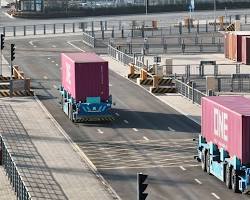
Port automation includes automated cranes, vehicles, and robotic systems that handle repetitive port tasks, improving consistency, reducing manual workloads, and supporting continuous operations.
Blockchain creates secure, traceable digital records of shipping documents and transactions, helping port stakeholders share information, verify records, and reduce unnecessary paperwork.
Smart port digitalisation is transforming and effectively upgrading port operations on various levels, including:
Having real-time cargo visibility with digital tracking helps port operators monitor container locations, coordinate handling activities, reduce delays, and improve inventory accuracy.
Modern digital platforms mean combining vessel schedules, traffic data, terminal management systems, and port conditions all in one platform to coordinate arrivals, allocate berths, reduce congestion, and improve maritime traffic management.
This is one of the greatest smart port transformations, as electronic documentation and data-sharing platforms streamline customs procedures, reduce manual paperwork, improve document accuracy, and boost cargo clearance between relevant stakeholders.
All the IoT sensors and monitoring equipment provide early warning signs and help maintenance teams address potential failures before they become costly repairs and disrupt port operations.
With the constant development of tools and systems, smart port digitalisation is becoming more efficient and valuable for ports and terminals.
More and more international ports are investing in port digitalisation to improve their operations, productivity levels, and efficiency. The most popular international smart ports are:
Rotterdam uses automated terminals, digital-twin technology, and data platforms. Its PortVision initiatives support connected operations, infrastructure planning, and port-wide digital collaboration.
Singapore’s Tuas Port integrates automated cranes, driverless vehicles, and digital systems, with phased development targeting greater capacity and highly integrated terminal operations.
Valencia advances digital port management through smart sensors, data platforms, and automation, while pursuing energy efficiency, connectivity, and more sustainable port operations.
Quebec City’s port uses digital monitoring and operational technologies, while modernisation efforts emphasise infrastructure resilience, environmental monitoring, and improved port efficiency.
Having a professional certificate in smart ports and port digitalisation will help you boost your value in the market, learn updated knowledge, and develop the essential skills. The key skills you need to work in smart ports are:
Smart port digitalisation is becoming a standard development part of port and terminals infrastructures, equipment, and work techniques. Even though there are different considerations about cybersecurity, yet, with the right protection system, smart port benefits are higher than concerns.
Consider having professional training with an accredited maritime academy to gain certifications, learn from expert tutors, and develop your skills effectively.


