Subscribe to our newsletter
Copyright © 2026 lmitac.com All Rights Reserved. Contact - Terms and Conditions - Privacy Policy - Quality Policy - Vacancies - Sitemap
London Maritime Academy is a trade name for London Premier Group
version: 2.9.0
Subscribe to our newsletter
Posted On: 7/17/2026, 9:13:22 AM
Last Update: 7/17/2026, 9:13:22 AM
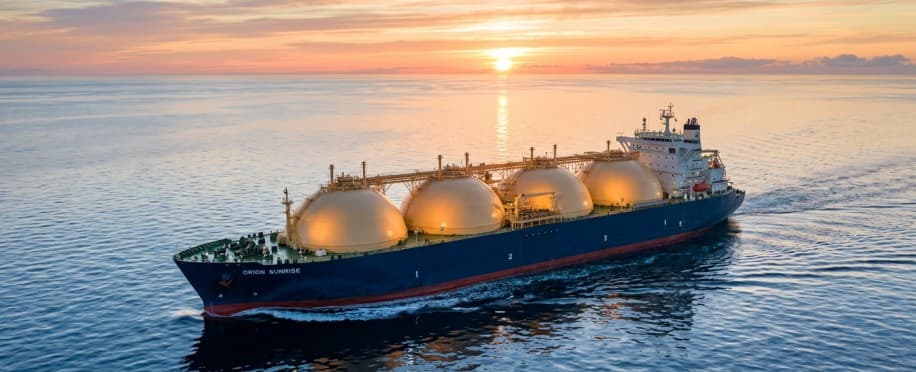
Global demand for liquefied natural gas (LNG) is expected to increase by around 65% by 2050, according to Shell's LNG Outlook 2026, reinforcing LNG's continuing role in the global energy transition and the future of maritime transport. The forecast reflects growing demand for secure and flexible energy supplies as countries pursue lower-emission alternatives to coal while expanding electricity generation.
Although global LNG trade was expected to grow in 2026, disruptions to shipping through the Strait of Hormuz have temporarily constrained supply, with overall trade now forecast to remain broadly in line with 2025 levels before growth resumes in 2027. Over the longer term, global LNG demand is projected to approach 700 million tonnes annually by 2050, driven primarily by expanding markets across Asia and increasing energy requirements from emerging industries, including data centres.
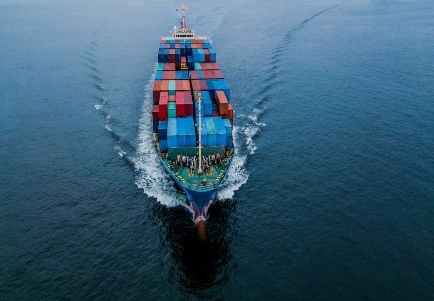
For the maritime sector, continued growth in LNG is expected to sustain demand for specialised gas carriers, LNG bunkering operations, and professionals with expertise in handling liquefied gases. As the industry evolves, the safe transport and use of LNG remain governed by the International Maritime Organization (IMO) through regulations such as the International Code of Safety for Ships using Gases or other Low-flashpoint Fuels (IGF Code), reinforcing the importance of operational competence and safety.
For maritime training providers, these developments highlight the growing need to prepare seafarers with the knowledge and practical skills required for LNG operations, making LMA Oil and Gas Courses an important pathway for developing competence in gas handling, safety management, emergency response, and regulatory compliance as LNG continues to support the evolving global energy landscape.