Subscribe to our newsletter
Copyright © 2026 lmitac.com All Rights Reserved. Contact - Terms and Conditions - Privacy Policy - Quality Policy - Vacancies - Sitemap
London Maritime Academy is a trade name for London Premier Group
version: 2.9.0
Subscribe to our newsletter
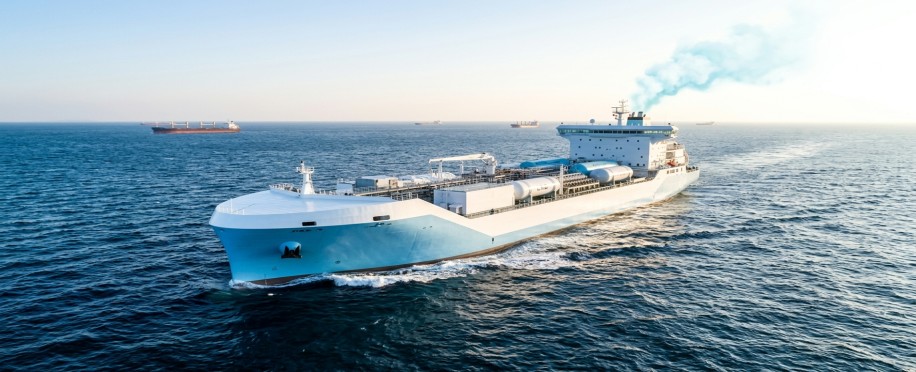
The maritime industry is entering a new era as alternative fuel shipping becomes essential for reducing emissions and meeting global decarbonisation goals. From LNG and methanol to ammonia, these emerging fuels are reshaping vessel operations, technology, regulations, and maritime careers.
The world is shifting toward alternative fuels shipping to meet green shipping regulations and IMO guidance. Green shipping is not a trend anymore, with mandatory regulations and rules going into action with specific dates.
Alternative marine fuels for ships aim to achieve lower-to-zero GHG emissions and reduce environmental impacts while keeping the maritime shipping industry active and efficient on the international level.
Continue reading our comprehensive article to learn all about alternative fuels shipping, why more ships and vessels are using them, challenges, common alternative fuels, future global expectations, and professional training to boost your green maritime knowledge and experience.
Alternative fuels shipping refers to using green fuels with low emission rates rather than using traditional fuels to power ships. These green alternatives can reduce greenhouse gas (GHG) emissions, improve energy efficiency, and support international maritime decarbonisation efforts, with options including liquefied natural gas, methanol, ammonia, hydrogen, green hydrogen, biofuels, and emerging synthetic fuels for modern ships and commercial carriers.
The maritime shipping industry is turning to alternative fuels to reduce greenhouse gas emissions, meet increasingly stringent environmental regulations supervised by the International Maritime Organization, improve energy efficiency, and support global decarbonisation goals. Alternative fuels shipping can help shipowners and maritime companies follow regulations while keeping maritime transportation across international routes reliable and efficient.
The global maritime sector faces some challenges during the shift to alternative fuels shipping due to a lack of suitable infrastructure, high-cost requirements, advanced engineering needs, and safety concerns.
Limited bunkering facilities and inconsistent fuel availability can prevent ships from fully adopting alternative fuel solutions, particularly across routes and developing markets.
Alternative fuels come with high production costs, unstable international prices, and limited supplies, which make alternative fuels financially challenging for shipowners and commercial companies.
This green shift has technical complexity and significant investment requirements, including specialised engines, storage systems, fuel handling equipment, and vessel modifications.
Alternative marine fuels, such as ammonia and hydrogen, have distinct safety risks, requiring strict procedures, expensive equipment, emergency plans and crew training strategies.
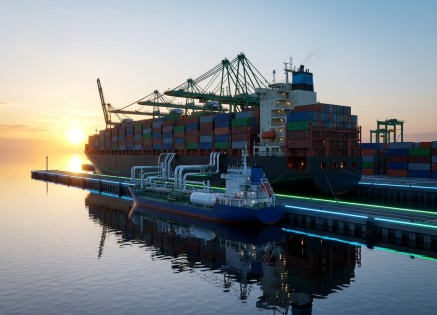
These are the most common alternative marine fuels that zero-emission vessels use to reach their sustainable targets:
LNG provides a marine-fuel option with lower emissions, but the current challenges are methane slip, infrastructure needs, and fossil-fuel dependence.
Methanol can reduce emissions, however, conventional methanol remains carbon-intensive, while availability, storage, and supply remain real challenges to consider.
Ammonia offers zero carbon emissions at combustion, but may produce nitrogen oxides and requires toxicity management, specialised systems, and crew training.
These are the most common alternative marine fuels, each comes with specific features and emissions levels. Maritime companies should understand their differences and requirements.
| Factor | Liquefied Natural Gas (LNG) | Methanol | Ammonia |
| Role | Transitional fuel | Low-carbon alternative | Future zero-carbon option |
| Emissions | Lower sulphur and particulate emissions | Lower with green methanol | Zero carbon at combustion |
| Main Benefit | Expanding technology | Easier storage and handling | High decarbonisation potential |
| Key Challenge | Methane slip | Limited green supply | Toxicity and safety |
| Infrastructure | Relatively developed | Growing | Limited |
| Future Potential | Short-to-medium term | Strong | High for deep-sea shipping |
Maritime professionals in the green shipping and alternative fuels should consider these leading courses to develop their skills and build a stronger career in the maritime industry:
Alternative fuels shipping is a growing demand in the maritime industry. These are the most developing aspects in the future of green shipping:
Alternative fuels shipping is becoming a reality every day, with more maritime companies investing in green shipping ships, technologies, and infrastructure to meet current IMO requirements and goals.
Professional maritime training courses by the right academy will help you not only gain an accredited certificate but also develop your skills and empower your career.