Subscribe to our newsletter
Copyright © 2026 lmitac.com All Rights Reserved. Contact - Terms and Conditions - Privacy Policy - Quality Policy - Vacancies - Sitemap
London Maritime Academy is a trade name for London Premier Group
version: 2.9.0
Subscribe to our newsletter
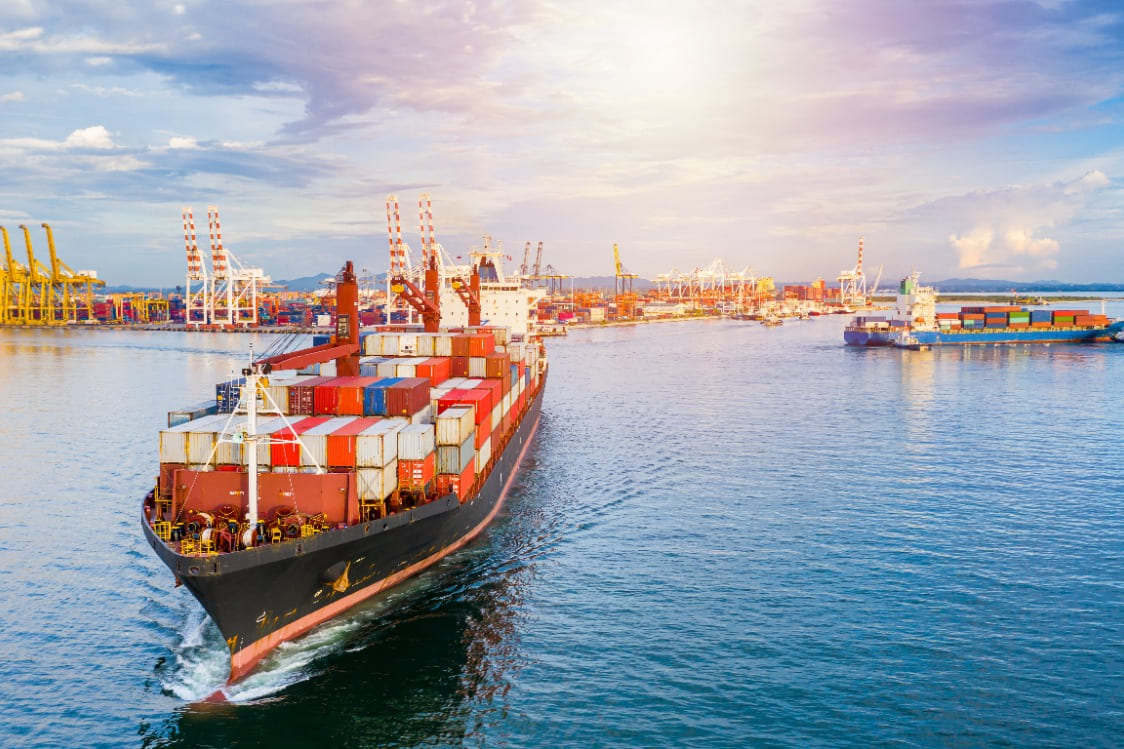
Human error remains one of the leading causes of maritime accidents, making safety awareness and effective crew training more important than ever. Understanding the causes of these incidents helps maritime professionals strengthen safety culture, reduce operational risks, and protect lives at sea.
With over 80% of maritime accidents linked to human error (Wróbel, K. ,2021), understanding the root causes from fatigue to complacency is critical. This article provides a detailed analysis of key incidents and shares essential lessons for improving safety culture, reducing risk, and ensuring safer seas for all seafarers. Our Articles and News coverage highlights recent developments and trends affecting the Maritime's global industry, and provides a comprehensive guide for safer operations. Studying past maritime accidents helps reveal patterns that can prevent future disasters.
The "Dirty Dozen" of Maritime Human Factors are 12 common human behaviors or conditions identified by the UK Maritime and Coastguard Agency (MCA) and CHIRP that significantly contribute to human error, maritime accidents, and incidents at sea. Often referred to as the "Deadly Dozen" or Human Error Factors.
These factors include Lack of (Communication, Knowledge, Teamwork, Resources, Assertiveness , Awareness, Overconfidence, Distraction, Fatigue, Pressure, Stress & Norms (Unsafe traditions or shortcuts).
Proactively addressing these factors is essential for enhancing maritime safety standards, reducing risks in high-stakes environments, and fostering a vigilant, resilient maritime culture. Our news reports emphasize that every vessel and ship can benefit from lessons learned, helping to stay alert in challenging waters. Regular analysis of maritime accidents allows crews to anticipate risks before they escalate.
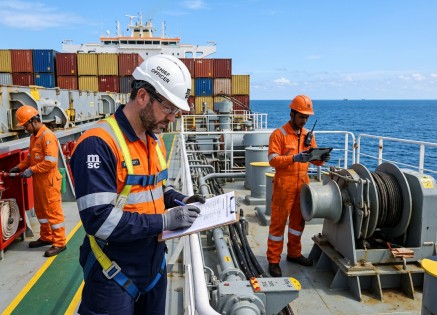
Despite advanced technology, human error remains the primary cause of roughly 80–90% of workplace accidents, environmental disasters, and catastrophic failures. While systems are designed with safeguards, the "human factor"—fatigue, complacency, or lack of training—can turn routine operations into catastrophes. Key scenarios often involve maintenance oversights, where skipped safety checks or incorrect installation leads to major engineering failures, such as the Deepwater Horizon blowout.
The 2010 Deepwater Horizon blowout was the largest marine oil spill in history, releasing 4.9 million barrels of crude into the Gulf of Mexico after an explosion, killing 11, and creating lasting environmental damage.
This catastrophic accident was primarily driven by human error rather than purely mechanical faults. Cost-cutting pressures led to poor cement job decisions and misinterpreted safety tests. Miscommunication and failed monitoring allowed hydrocarbons to surge up the rig, resulting in an avoidable environmental disaster. Similar maritime accidents remind us of the critical importance of monitoring and communication at all times.
In the digital age, cybersecurity is exceptionally vulnerable; a single, simple mistake—like falling for a phishing attempt or a misconfigured cloud server—can lead to a massive data breach or cyber attack, a scenario responsible for 75% of data loss. Furthermore, poor communication and high-pressure environments create "shortcuts" that result in fatal transport or construction mishaps involving human error. Ultimately, these scenarios highlight that while error is inevitable, its catastrophic impact is preventable. Organizations must invest in robust safety cultures, Crew Resource Management (CRM), thorough training, and error-tolerant systems to combat the unavoidable limitations of human behavior. Our news coverage provides updates and reports of such events worldwide. Documenting maritime accidents systematically helps organizations strengthen safety protocols.
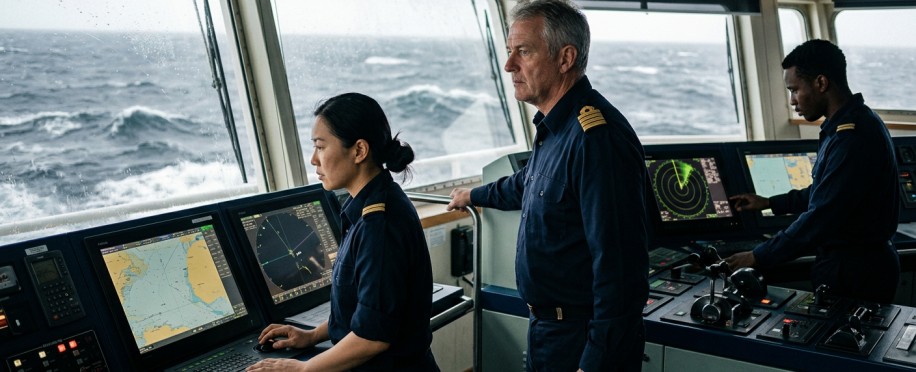
With human error contributing to the vast majority of maritime accidents, the industry is transitioning toward a proactive approach focusing on Bridge Resource Management (BRM), a robust safety culture, and enhanced training. Implementing these core elements—which emphasize teamwork, open communication, and simulation-based learning—is essential for creating a safer, more resilient maritime environment.
Addressing the 75–96% of maritime accidents caused by human error requires implementing advanced preventive technologies and ergonomic design solutions. AI-powered navigation, predictive maintenance via IoT sensors, and human-centric bridge designs significantly reduce cognitive load and enhance situational awareness. Integrating these technologies creates a more resilient, efficient, and safer maritime ecosystem.
Among practical solutions, implementing Electronic Chart Display and Information Systems (ECDIS) acts as a critical preventive technology to reduce errors and enhance human element in shipping. By integrating real-time GPS and navigational data, ECDIS minimizes over-reliance on paper charts and mitigates failures caused by fatigue or miscalculation, ultimately fostering safer seas. Proactive technology reduces the likelihood of maritime accidents that could otherwise result from routine human errors.
For shipping operational efficiency, it is crucial to consider how international regulations and technological solutions impact every ship and vessel in the global fleet. Detailed reports, insight, and thorough investigation into maritime accidents provide lessons that improve performance, reduce disruptions, and lower the human toll. A complete list of contributing factors is vital for future preventive strategies, helping protect both the Person on board and the vessels navigating challenging waters.
Empowering the future mariner requires transitioning from a blame-focused culture to a proactive learning environment, focusing on non-technical skills and simulation-based training. By addressing fatigue and reducing cognitive load, this approach strengthens situational awareness and mitigates the human errors responsible for the vast majority of maritime incidents. Continuing to study maritime accidents ensures the lessons of the past inform the safety of the future.
For more coverage on this topic and insights on others related to the maritime industry, we invite you to explore our Maritime courses in UK.
Also, kindly be advised that our team of experts, in LMA offices across the world, is ready to help you gain practical experience that will advance your career. Don’t hesitate to contact us for news on shipping trends and updated opportunities.