
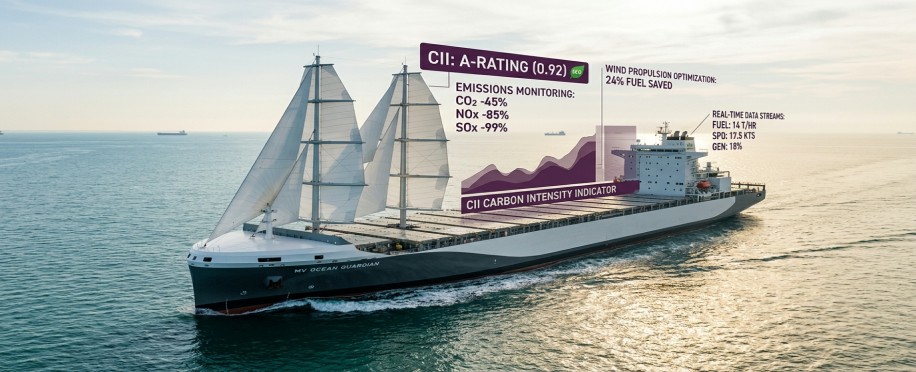
As the shipping industry moves towards a lower-carbon future, the IMO has set clear decarbonisation targets for 2030. These goals require shipping companies to improve efficiency, reduce emissions, adopt cleaner energy solutions, and prepare for the transition towards net-zero maritime transport.
The main International Maritime Organization (IMO) strategy aims to reduce emissions from shipping, keeping in mind that the maritime shipping industry controls over 75% of international shipping.
The IMO adopted an initial strategy for maritime emissions decline, including greenhouse gas (GHG) emissions, with a clear IMO decarbonisation shipping framework to guide global ships and vessels, meet the initial decarbonisation targets, and boost shipping while protecting the global environment.
Continue reading our comprehensive article to learn all about IMO decarbonisation shipping, why it is important, initial IMO climate goals, related IMO regulations, challenges, and key trainings to apply this international framework.
IMO decarbonisation in shipping refers to a global strategy led by the International Maritime Organization (IMO). The main goal of this strategy is reducing GHG emissions from shipping through cleaner fuels, energy efficiency projects, improved vessel operations, and regulatory measures across shipping, supporting the transition toward cleaner maritime transport for the future of shipping.
Shipping decarbonisation strategy is important because international ships and vessels produce significant GHG emissions. Reducing these GHG shipping releases supports initial global climate goals, improves energy efficiency, encourages cleaner technologies, and helps the maritime shipping industry prepare for more strict environmental requirements and measures worldwide, while supporting better future practices for shipping globally.
There are clear initial decarbonisation shipping goals shared by the International Maritime Organization (IMO). These cover GHG emissions, carbon, and other measurements.
The IMO strategy aims for a 40% decrease in carbon intensity from shipping by 2030, compared with 2008, through an improved and mandatory framework.
Zero and near-zero fuels and energy sources should represent at least 5% of shipping energy by 2030, with ambitions to reach even 10%.
The 2030 emissions checkpoint supports the IMO’s framework ambition to reach net-zero GHG emissions from shipping by or around 2050.
| Year | IMO Decarbonisation Direction |
| 2030 | Reduction of carbon intensity |
| 2030 | 5-10 % GHG emission reduction |
| 2050 or around | Net-zero GHG emissions ambition |
These are the main outcomes or results that will empower the shipping industry based on the IMO decarbonisation shipping strategy:
Shipping companies should improve vessel efficiency through designs, energy-saving technologies, and machinery upgrades to reduce greenhouse gas (GHG) emissions.
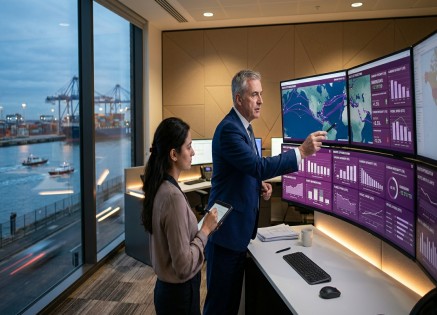
Better voyage planning, speed optimisation, routing, maintenance, and digital monitoring development can reduce fuel consumption and GHG emissions while improving efficiency.
Companies need to prepare for alternative fuels and the need for shore power, while aiming for efficient green energy sources.
Accurate GHG emissions monitoring, fuel-use tracking, and a regulatory reporting strategy help companies identify critical factors for GHG emissions reductions.
These IMO regulations are part of the shipping decarbonisation strategy supporting measures to ensure effective and sustainable outcomes:
The maritime shipping industry could face real challenges to meet IMO decarbonisation shipping goals, including:
Maritime learning is essential because the decarbonisation framework introduces new technologies, fuels, and operational practices, including the IMO Online Course OPRC Oil Spill Response - Level 2. All decarbonisation strategy efforts require professionals to develop knowledge and skills to lead safer processes, ensure regulatory compliance, and successfully adopt cleaner technologies across the maritime industry.
Meeting the IMO's 2030 decarbonisation goals will require more than new technologies and cleaner fuels. It will also require maritime professionals with the knowledge and skills to manage the urgent IMO's transition.
Consider a professional maritime academy with accredited certifications, expert tutors, and advanced programmes to set you up for the marine future and boost your career.


