Subscribe to our newsletter
Copyright © 2026 lmitac.com All Rights Reserved. Contact - Terms and Conditions - Privacy Policy - Quality Policy - Vacancies - Sitemap
London Maritime Academy is a trade name for London Premier Group
version: 2.9.0
Subscribe to our newsletter
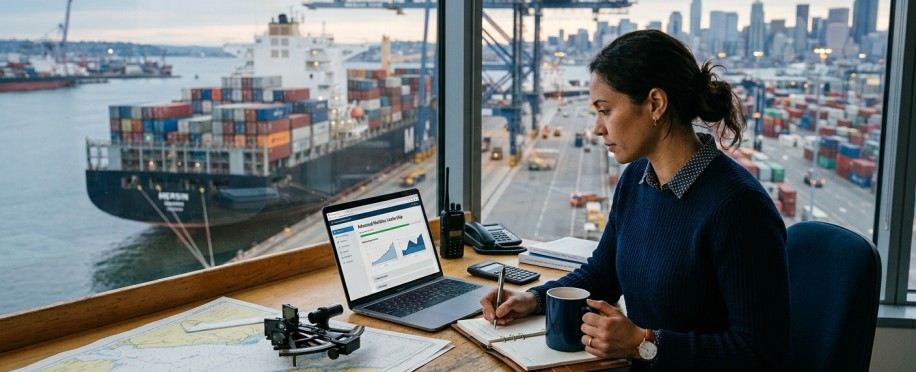
The maritime industry is evolving, making continuous learning essential for career growth. Online maritime courses provide a flexible way to gain industry knowledge, strengthen professional skills, and earn recognised qualifications without interrupting work or personal commitments.
Are you looking for a way to enhance your maritime skills? Whether you are onshore or offshore, online maritime courses are the answer you are looking for to develop your skills, advance your knowledge, and empower your career.
Many maritime professionals are now more interested in distance maritime training due to its great flexibility, international expertise, and lower learning costs. Recognised online maritime courses offer accredited certifications.
In this article, we will learn all about recognised online maritime courses, why they are important, who should take them, key benefits, tips to choose the best training programmes, and what the differences are between online and in-classroom marine courses.
Online maritime courses are a professionally designed training delivered through authorised digital learning platforms, allowing participants to study maritime management and leadership, shipping operations, logistics, and related subjects remotely. They offer flexible distance-learning in marine studies while developing relevant knowledge and advanced skills for the global maritime sector.
Yes, distance learning maritime can be highly effective for maritime education when provided by a recognised institution, expert tutors, and effective student support. Interactive distance lessons, practical case studies, and flexible study schedule management will help you gain valuable theoretical knowledge and practical practices while balancing work and personal commitments.
Recognised online maritime training courses deliver great benefits, particularly for professionals developing experience in these positions:
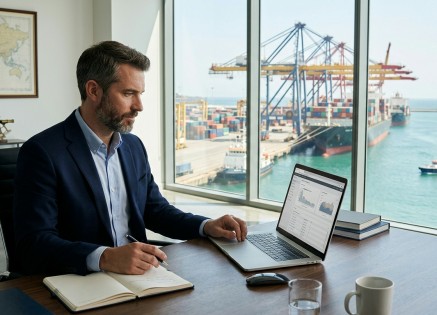
The benefits of distance maritime learning are more than just getting a certificate, but it expands to a flexible learning experience, designed schedule management, worldwide marine training, and more, just as if you are taking the recognised maritime courses in London.
An online maritime course allows participants to access course materials and attend classes from any location with a reliable internet connection.
Flexible course schedules, especially designed self-learning online courses, enable working professionals to effectively balance their education with full-time employment, family responsibilities, and other personal commitments.
Learning and studying online means you can avoid commuting, relocation, and accommodation expenses, making quality maritime learning more affordable.
Online training courses mean you can explore global training options with international marine experts. This provides valuable global marine perspectives.
Learners can reach wider career development opportunities with online maritime training courses, with qualified professional knowledge and career progression in the maritime industry.
Choosing the best maritime courses should rely on different factors, but most importantly, your career levels, skills, and professional growth goals.
Whether you are interested in a classroom or online course in maritime management and leadership, shipping, logistics, or other maritime fields, exploring the different factors between the two learning practices will help you choose the best one for you.
| Online Training Courses | Classroom Training Courses |
| Flexible schedule | Fixed timetable |
| Learn anywhere | Physical existence required |
| Lower overall costs | Higher commuting expenses |
| Self-paced | Instructor-led |
| Digital resources | Printed materials |
An online maritime course with the right training academy is as effective as classroom maritime training courses. To achieve the best outcome, you need to choose advanced courses designed for your skills, experience, and career development.
A professional maritime academy offers quality training with globally accredited certifications, expert tutors, and advanced curricula.