
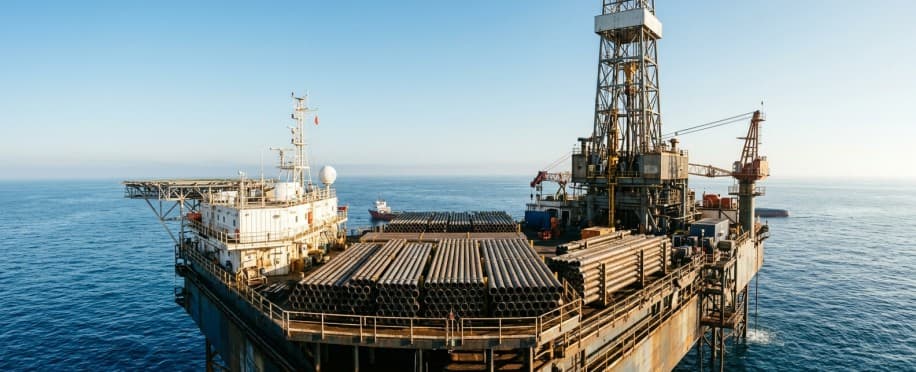
Oil Country Tubular Goods (OCTG) are the specialized steel pipes—casing, tubing, and drill pipe—that keep oil and gas wells structurally secure and transport hydrocarbons safely from deep reservoirs to the surface. By selecting the right API 5CT steel grades and connection designs for extreme downhole pressures, temperatures, and corrosive conditions, operators protect well integrity, prevent costly drilling delays, and ensure long-term production reliability.
What keeps an oil or gas well structurally stable thousands of metres underground? And how do operators make sure hydrocarbons reach the surface safely under demanding pressure and temperature conditions?
A major part of the answer lies in OCTG (Oil Country Tubular Goods), a category of specialised steel pipes used throughout drilling, well construction and production. These products include casing and tubing, with drill pipe also commonly recognised as part of the broader category.
In this article, we'll explore the different types of oilfield tubular products, their steel grades and where they are used. We'll also look at how operators can make better decisions when selecting and purchasing them.
Think about what happens during the life of an oil or gas well. Engineers must first drill through underground formations, secure the wellbore and establish a controlled pathway for hydrocarbons to reach the surface.
Each stage requires tubular products designed for a specific purpose.
Oil country tubular goods generally perform three essential functions:
These functions sound straightforward. However, consider the conditions the pipes must withstand.
A deep well may expose steel to significant external pressure, high temperatures and corrosive fluids. Under these conditions, choosing the appropriate product becomes an engineering decision with direct commercial consequences.
That is why operators evaluate material strength, connection performance and operating conditions before approving tubular specifications.
Although these pipes may look similar from the outside, their responsibilities inside a well are quite different.
Let's examine the three principal types and see why each matters.
Imagine drilling through several geological formations, each with different pressures and physical characteristics. Without proper structural support, the wellbore could become unstable and compromise drilling operations.
Casing addresses this challenge.
These steel pipes are installed inside the drilled wellbore, where they help support its walls and isolate different geological formations. They are commonly cemented into position to create protective barriers.
You will typically encounter several casing strings during well construction:
Why does this matter commercially?
If casing cannot withstand the expected loads, the operator may face well integrity problems, additional remedial work or interruptions to the drilling programme.
Once a well is ready for production, hydrocarbons need a reliable pathway from the reservoir to surface facilities.
That is the role of production tubing.
Tubing is installed inside the well and provides the main flow path for produced fluids. Depending on the reservoir, it may encounter high pressures, elevated temperatures and corrosive substances.
Now consider a gas well containing hydrogen sulphide. Its tubing must be suitable for the operating environment, including the risks associated with sour service.
An unsuitable material could deteriorate prematurely, increasing the likelihood of leaks or expensive well interventions.
For production managers, the objective is clear: select tubing that supports safe and reliable production throughout the planned operating period.
Before production begins, drilling equipment must reach the target reservoir.
Drill pipe connects the surface drilling equipment to the drill bit. It transmits rotational force and allows drilling fluid to circulate through the drill string.
The circulating fluid cools the drill bit and helps carry rock cuttings back toward the surface.
Unlike casing, drill pipe is normally retrieved during drilling operations and can be reused.
Its durability becomes particularly important in extended-reach and directional drilling, where mechanical loads can be demanding.
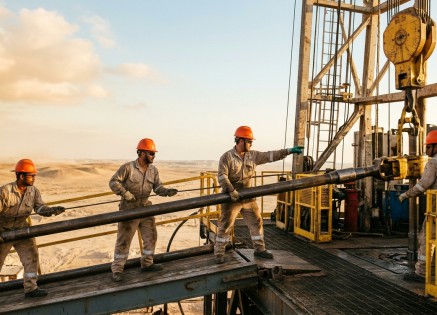
Choosing a tubular product is only the beginning. You also need to determine which steel grade is suitable for the well.
Steel grades define mechanical properties, including specified yield strength, which influences how a pipe performs under different loads.
The following grades are commonly used in oil and gas applications.
| Steel grade | Typical application or consideration |
| J55 | Conventional wells with moderate strength requirements |
| K55 | Casing applications requiring specified mechanical properties |
| N80 | Wells requiring higher yield strength than J55 |
| L80 | Applications requiring controlled material properties, including certain corrosive service conditions |
| P110 | Demanding applications requiring higher mechanical strength |
You might assume that selecting the strongest available grade is always the safest option. However, material selection is more complicated.
Higher strength does not automatically mean better corrosion resistance or suitability for sour environments.
As seen in API Specification 5CT, the standard establishes technical requirements for casing and tubing, including material grades and product testing. However, suitability for a particular corrosive environment requires additional engineering assessment.
For procurement managers, this creates an important responsibility. A pipe may meet its manufacturing specification while still being unsuitable for the intended well conditions.
The right question is therefore: Which material can safely meet the operating requirements of this particular well?
Offshore drilling introduces another layer of complexity.
Equipment must be transported to offshore installations, handled within limited working spaces and installed according to closely coordinated drilling schedules.
Consider mobile offshore drilling units. These facilities require a reliable supply of casing and other drilling materials to keep well construction progressing.
What happens when a critical casing string arrives late or with incorrect connections?
The drilling team may be unable to proceed as planned, potentially increasing rig time and project costs.
Similar challenges arise on jack-up drilling rigs, where efficient tubular handling and material availability are essential to daily drilling activities.
The requirements also vary across different offshore structures. Well design, drilling arrangements and operating conditions influence how tubular products are specified and managed.
For offshore project teams, reliable material planning is therefore closely connected to operational efficiency.
Let's bring these technical considerations into a practical purchasing decision.
Suppose your organisation is developing a deep gas well with demanding pressure conditions. Your engineers need tubular products capable of handling the expected mechanical loads while maintaining reliable pressure containment.
How should the selection process work?
Start by evaluating five key factors:
In practice, these decisions should involve drilling engineers, well integrity specialists and procurement professionals.
For professionals seeking a deeper understanding of tubular specifications and applications, the course Introduction to Oil Country Tubular Goods (OCTG) provides a useful foundation for evaluating these products.
Even when engineers select the correct material, problems can emerge during procurement and delivery.
Imagine receiving a shipment of casing just before a scheduled drilling operation, only to discover that the connections do not match the approved specification.
The consequences may include delayed installation, replacement orders and additional logistics costs.
Other common problems involve incomplete material documentation, inadequate inspection and damage during transportation or storage.
How can operators reduce these risks?
The answer starts with clear purchasing specifications and supplier verification. Procurement teams should also confirm material traceability and coordinate delivery schedules with drilling operations.
These controls help prevent relatively small purchasing mistakes from becoming expensive operational problems.
Understanding OCTG is about more than recognising different types of steel pipes. It helps you make informed decisions that influence well integrity, drilling efficiency and production reliability.
Casing supports the well structure, tubing transports hydrocarbons and drill pipe enables drilling operations. Each has different performance requirements, which is why careful material selection matters.
For oil and gas operators, the most effective approach combines sound engineering assessment with reliable procurement and quality assurance.
Before approving your next tubular purchase, ask whether the selected material truly matches the well's operating conditions and long-term performance requirements.

