Subscribe to our newsletter
Copyright © 2026 lmitac.com All Rights Reserved. Contact - Terms and Conditions - Privacy Policy - Quality Policy - Vacancies - Sitemap
London Maritime Academy is a trade name for London Premier Group
version: 2.9.0
Subscribe to our newsletter
Posted On: 4/22/2026, 5:44:34 PM
Last Update: 4/22/2026, 5:44:34 PM
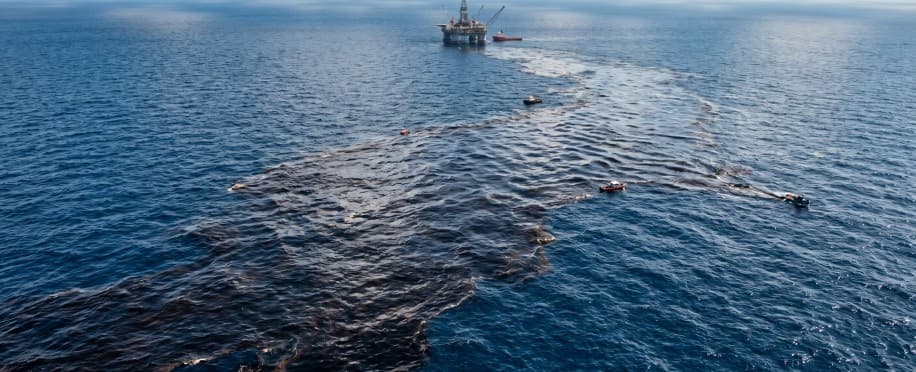
Pemex, the Mexican state oil company, has admitted that one of its undersea pipelines was responsible for the large oil slick that fouled beaches along Mexico's Gulf coast.
Midway through February, the release was initially observed off the coasts of Veracruz and Tabasco. During the course of the month, it extended over almost 400 miles of coastline.
Authorities believe the spill was ongoing as late as March 27. There have been reports of oiled wildlife and polluted reefs, as well as damage to seven natural reserves. Greenpeace Mexico has established a crowdsourced web map to track oil sightings and cleanup activities.
A ship at anchor off Coatzacoalcos and two recognised natural oil seeps were among the sources identified by the Mexican Navy's preliminary examination as being unrelated to the production of oil and gas.
The most likely culprits were the latter two, Mexican Navy Secretary Adm. In late March, Raymundo Morales stated at a news conference.
Notably, Victor Rodriguez, CEO of Pemex, stated late last week that a 36-inch undersea pipeline adjacent to the Abkatun platform complex was the source of the spill. Rodriguez claims that the leak was found on February 6 and persisted until the pipeline was eventually shut down on February 14.
Moreover, almost a dozen workboats were dispatched to locate, contain, and repair the breach, with repairs completed on February 18. Despite the gravity of the leak, it was not disclosed to high management, and division managers “systematically denied” the existence of the release, he claimed.
He informed reporters that three Pemex personnel in senior safety/environmental positions had been sacked in connection with the leak, and that the case had been referred to prosecutors.
At the Maritime Training Academy in the UK, environmental science, marine biology, toxicology, and public health are all part of the multidisciplinary examination of the Gulf Oil Spill. Oil transportation, bioremediation, the impact of PAHs on marine life, worker health issues, and resource damage assessment are all significant areas of study.
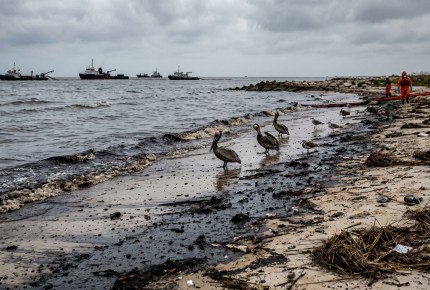
Pemex's reaction to the spill, according to environmental NGOs, was insufficient. The amount of hydrocarbon spilt has not been disclosed by Pemex. Additionally, neither the magnitude of the damage nor the cost of fixing it has been made clear by the government.
Authorities stated approximately 430 tonnes of hydrocarbons have been recovered thus far. Likewise, they reported that the spill had harmed seven protected natural areas in Veracruz and Tabasco, while Environment Secretary Alicia Bárcena declared no serious environmental damage had been found.
According to a statement from Greenpeace Mexico, “the support announced for fishermen and cooperatives does not replace full reparations for the damage.” The group demanded clarification on Pemex's intentions to rehabilitate impacted ecosystems as well as the extent of the spill.
In short, it is by no means Pemex's first loss, nor is it the first at the Abkatun complex, which processes gas and oil from three different sources. The Abkatun Alpha platform experienced a huge explosion and fire in 2015, which resulted in four worker deaths and three missing persons. An estimated $780 million was lost as a result of the blast.
Read more news: