Subscribe to our newsletter
Copyright © 2026 lmitac.com All Rights Reserved. Contact - Terms and Conditions - Privacy Policy - Quality Policy - Vacancies - Sitemap
London Maritime Academy is a trade name for London Premier Group
version: 2.9.0
Subscribe to our newsletter
Posted On: 4/16/2026, 9:00:08 AM
Last Update: 4/16/2026, 9:00:08 AM
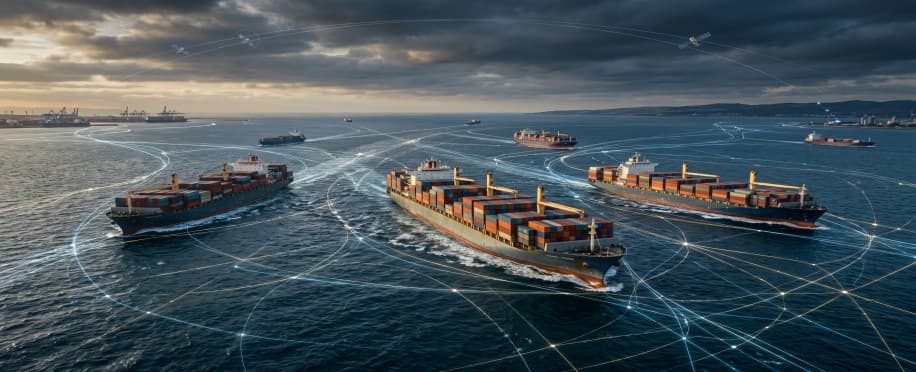
A treaty that provides compensation for losses and contamination related to hazardous cargo is about to come into effect, adding a new layer of accountability to the global commercial shipping industry.
The International Convention on Liability and Compensation for Damage in Connection with the Carriage of Hazardous and Noxious Substances by Sea 2010—often known as the 2010 HNS Convention—will go into effect in 18 months after receiving the required number of ratifications.
Belgium, Germany, the Netherlands, and Sweden have ratified a convention establishing a new liability system for shipping companies and relevant industries.
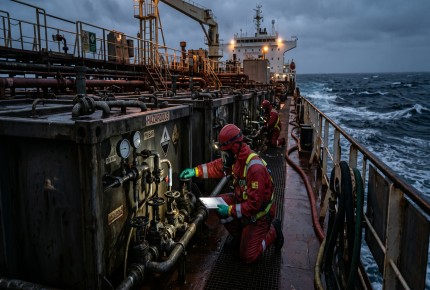
This system mandates substantial compensation for losses or damages from shipping incidents. It covers a wide range of cargo categories, including oil, hazardous liquids, liquefied gases, low-flashpoint liquids, and dangerous dry bulk or packaged goods.
Likewise, to be bound by the treaty, at least 12 states—four of which must each have a gross tonnage of at least two million units—must declare their agreement. Each of the eight states that had previously ratified the pact had a gross tonnage of more than two million units.
Maritime Law Courses focus on the Hazmat Liability Convention, which establishes consistent global principles for who is responsible—and who pays—when hazardous materials cause damage during marine shipping. Studying it entails knowing how liability is assigned, how compensation funds work, what insurance requirements it imposes, and why it took years to go into effect.
After the contracting nations have received at least 40 million tonnes of HNS cargo in a calendar year, the treaty is expected to come into effect eighteen months later. Nearly 28 million tonnes of HNS contributing cargo were received by Belgium, Germany, the Netherlands, and Sweden last year.
Notably, the IMO will evaluate the volume of HNS cargo received by the remaining eight signatories in 2025 in May, and based on previous data, the requirements will probably be satisfied to initiate the 18-month timeline for entry into force.
The shipping and HNS sectors will be responsible for any harm caused by HNS cargoes moved by sea under the 'polluter pays' principle. In addition to pollution harm, the responsibilities also cover the hazards of fire and explosion, personal injury or death, and property loss or damage.
The two-tier compensation model that underpins the regime caps total compensation at 250 million Special Drawing Rights (SDR) of the International Monetary Fund ($360 million) per event.
Furthermore, an HNS Fund established under the convention will supplement the compensation, which is likewise set at a maximum of 250 million SDR ($360 million) per incident, including the shipowner's contribution, if the damage costs exceed the shipowner's limit of liability under Tier 1. Contributions made by the recipients of HNS cargoes following the incident will finance the fund.
In summary, it is projected that about 65,000 ships will need the HNS certificates of insurance or other financial security in accordance with the treaty due to the growing volume of chemicals and alternative fuels being transported in bulk by sea.
The treaty increases the maritime industry's exposure to claims of the transportation of oil, bunker fuel, wreck removal, and passenger injury.
Read more news: