
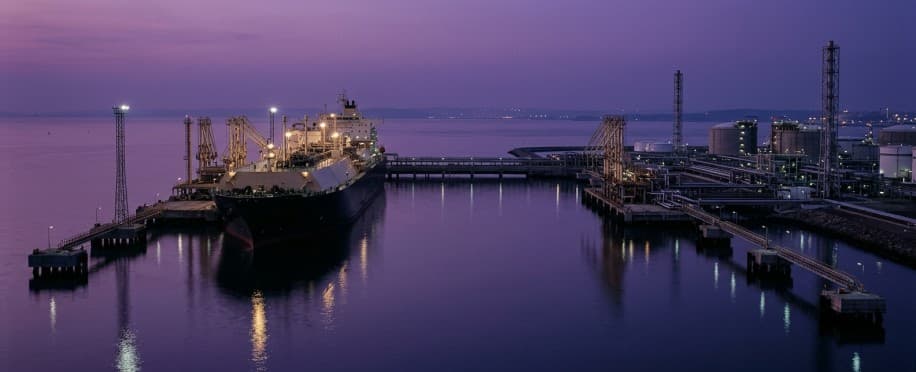
LNG shipping contracts establish the commercial, operational, and legal frameworks necessary to transport liquefied natural gas safely across global trade routes. Given the cryogenic nature of LNG cargo and complex port operations, these specialized agreements—spanning time charterparties, voyage charterparties, and Sale and Purchase Agreements (SPAs)—must clearly allocate operational risks, manage boil-off gas tolerances, establish off-hire terms, and define terminal compatibility. Understanding these critical clauses enables shipowners and charterers to mitigate operational claims, safeguard revenue streams, and maintain supply chain continuity.
LNG shipping contracts are agreements that define the commercial and operational terms for transporting liquefied natural gas by sea. They establish responsibility for vessel performance, cargo management, delays, costs, and disruption. For owners and charterers, clear terms make it easier to manage a voyage and determine responsibility when operations do not go as planned.
LNG transportation also brings contractual questions that are specific to the cargo. Boil-off gas, heel requirements, cooldown operations, cargo measurement, and terminal interfaces can all influence voyage performance. Consequently, the contract needs to reflect how the vessel actually operates, rather than treating these matters as purely technical details.
So, which clauses deserve particular attention, and how can their wording influence a future claim?
Shipping agreements allocate risk between parties, but LNG operations make that allocation particularly detailed. The vessel carries cryogenic cargo under controlled conditions and must satisfy operational requirements at loading and receiving facilities. Even a relatively small technical issue can therefore have financial consequences.
An important starting point is to distinguish between the main contractual arrangements governing LNG transportation. Under a time charterparty, the charterer employs the vessel for an agreed period, with responsibilities for hire, vessel performance, fuel consumption, and operational availability determined by the contract.
Under a voyage charterparty, the shipowner undertakes to transport a specified cargo between agreed ports, with particular attention to freight, loading and discharge arrangements, laytime, and demurrage. LNG Sale and Purchase Agreements (SPAs), meanwhile, regulate the commercial sale and delivery of LNG, including cargo quantity, quality, pricing, delivery obligations, and the transfer of title and risk. Because these agreements serve different purposes, parties must ensure that their respective obligations are consistent, particularly where shipping delays, cargo losses, or terminal restrictions affect more than one contractual relationship.
Consider a vessel that arrives on schedule but cannot immediately connect with the receiving terminal. The resulting delay may initially appear to be an operational problem. However, determining who pays for that delay can depend on terminal compatibility provisions, vessel warranties, notices, and the reason the connection could not proceed.
For that reason, parties should consider how individual clauses interact rather than negotiating each provision separately. Understanding the broader structure of charter party agreements can help clarify how control, costs, and operational responsibilities are divided between owners and charterers.
An LNG charter party should give both parties a clear picture of their responsibilities before the vessel begins its voyage. Although the precise wording varies between agreements, several provisions have a particularly strong influence on commercial exposure.
| Clause | What it should clarify | Main commercial risk |
| Vessel performance | Speed, consumption and capability | Underperformance |
| Boil-off | Permitted rates and responsibility | LNG quantity losses |
| Hire and off-hire | When payment starts or stops | Revenue and cost disputes |
| Terminal compatibility | Vessel and facility requirements | Delay or rejection |
| Laytime and demurrage | Permitted time and additional charges | Port costs |
| Force majeure | Qualifying events and contractual relief | Disrupted performance |
| Dispute resolution | Law, jurisdiction and procedure | Claims management |
The importance of these clauses becomes clearer when they are considered against realistic voyage situations.
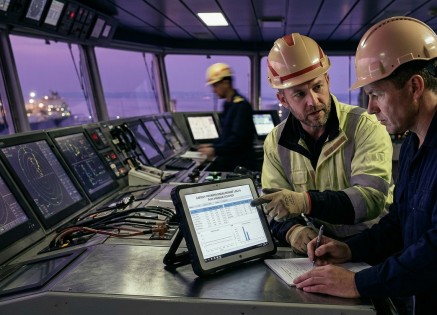
Performance clauses define what the vessel is expected to deliver. Depending on the agreement, they may address speed, fuel consumption, carrying capability, reliability, maintenance, and operational availability.
Suppose a vessel repeatedly takes longer than expected to complete its voyages. Simply establishing that it sailed more slowly is unlikely to settle the matter. The parties also need to consider the agreed performance benchmark, permitted tolerances, operating conditions, and whether the charterer experienced a measurable loss.
Therefore, performance standards need to be specific enough to measure against actual voyage data. Greater precision at the negotiation stage can reduce uncertainty when performance is later questioned.
Because LNG naturally produces vapour during transportation, boil-off performance has both technical and commercial significance. The agreement should establish permitted rates, calculation methods, measurement requirements, and the financial consequences when performance falls outside agreed limits.
Heel and cooldown requirements are closely related. Retaining sufficient LNG onboard may be necessary to maintain tank conditions or prepare the vessel for its next loading operation. Decisions concerning heel can consequently affect cargo quantities as well as subsequent voyage operations.
Cargo measurement adds another layer. When loaded and discharged quantities differ, both parties need an agreed basis for determining whether the difference falls within expected operational parameters. Consistent measurement procedures and reliable records make that assessment considerably easier.
Technical problems can quickly become payment disputes because vessel availability and hire obligations are closely connected.
For example, imagine an equipment failure that prevents the vessel from operating normally for 36 hours. The charterer may consider that period off-hire, while the owner may argue that hire remains payable under the agreed terms. Resolving the issue requires more than identifying the failure itself; the cause, contractual definition, exclusions, notice requirements, and duration can all influence the outcome.
LNG shipping contracts should therefore make off-hire triggers and calculation methods as clear as possible. At the same time, commercial teams need to consider changing trading conditions because fleet availability, vessel technology, trade routes, and terminal requirements can influence negotiations. The broader LNG shipping trends and future challenges provide useful context for these commercial considerations.
LNG shipping claims often arise when actual voyage performance differs from a contractual obligation or when the parties interpret responsibility differently.
Typical areas of disagreement include:
However, the strength of a claim often depends on what happened before the disagreement formally developed. Voyage logs, measurement records, operational reports, notices, terminal communications, and correspondence can establish the sequence of events and show whether contractual procedures were followed.
Effective LNG claims management should begin during normal voyage operations rather than after a formal dispute has developed. Owners and charterers should maintain a structured documentary record covering voyage instructions, Statements of Facts, Notices of Readiness where applicable, cargo measurement reports, engine-room logs, boil-off calculations, terminal communications, and relevant contractual notices.
When a claim arises, the responsible team should establish a clear chronology of events, identify the contractual obligation allegedly breached, assess the supporting evidence, calculate the financial consequences, and consider any applicable exclusions or limitations.
Particular attention should be given to notice deadlines and contractual time bars because failure to comply with procedural requirements may compromise an otherwise valid claim. A coordinated approach involving chartering, operations, technical, insurance, and legal personnel can significantly improve the early evaluation, negotiation, and resolution of LNG shipping disputes.
External disruption can prevent or delay contractual performance, yet describing an event as force majeure does not determine its contractual effect. The wording of the agreement remains central.
Parties should examine which events qualify, what level of causation must be demonstrated, when notice must be issued, and what mitigation is expected. They should also understand whether the clause allows additional time, suspends obligations, or provides termination rights.
Take a port closure as an example. Although the closure may clearly interfere with the voyage, the financial consequences still depend on how the parties allocated that risk. A closer understanding of force majeure protection in shipping can help teams evaluate those consequences before relying on the clause.
Successful LNG chartering involves more than securing an attractive rate because the final commercial result also depends on how operational risks have been allocated.
Before agreeing to LNG shipping contracts, teams should therefore test important clauses against realistic scenarios. What happens if the vessel cannot satisfy a nominated terminal's requirements? How will excess boil-off be calculated? Who carries the cost when a technical failure creates a delay? Which records would be required to support an off-hire claim?
These questions also encourage cooperation between chartering, operations, technical, insurance, and legal teams. Professionals involved in such decisions can develop their understanding of the relationship between these areas through LNG Shipping, Chartering and Claims training, particularly when their responsibilities extend across contract negotiation and voyage management.
A useful contract review should consider how the agreement would operate during an actual voyage. Instead of examining clauses only as separate legal provisions, teams can test them against realistic operational events.
Before approval, check whether:
Reviewing the agreement in this way also helps different departments understand how their decisions affect one another. A technical event may trigger a contractual notice, while an operational delay may affect hire or create a potential claim. Recognising those connections before the voyage makes them easier to manage when time-sensitive decisions are required.
LNG shipping contracts require careful alignment between commercial commitments, technical vessel capabilities, and the operational requirements of the global LNG supply chain. Unlike conventional shipping arrangements, LNG transportation introduces specialised contractual risks relating to boil-off gas management, cargo heel, tank cooldown, custody-transfer measurements, terminal compatibility, and vessel performance.
The allocation of these risks differs between time charterparties, voyage charterparties, and LNG Sale and Purchase Agreements, making contractual clarity essential throughout negotiation and performance. Effective risk management therefore requires more than well-drafted clauses; it also depends on accurate operational records, timely contractual notices, clearly defined performance standards, and coordinated decisions between shipowners, charterers, technical managers, and legal advisers. By integrating these considerations into both contract negotiations and voyage administration, maritime organisations can reduce avoidable disputes, protect their commercial interests, and strengthen the reliability of LNG transportation operations.


