Subscribe to our newsletter
Copyright © 2026 lmitac.com All Rights Reserved. Contact - Terms and Conditions - Privacy Policy - Quality Policy - Vacancies - Sitemap
London Maritime Academy is a trade name for London Premier Group
version: 2.9.0
Subscribe to our newsletter
Posted On: 9/16/2026, 1:07:33 PM
Last Update: 9/16/2026, 1:07:33 PM
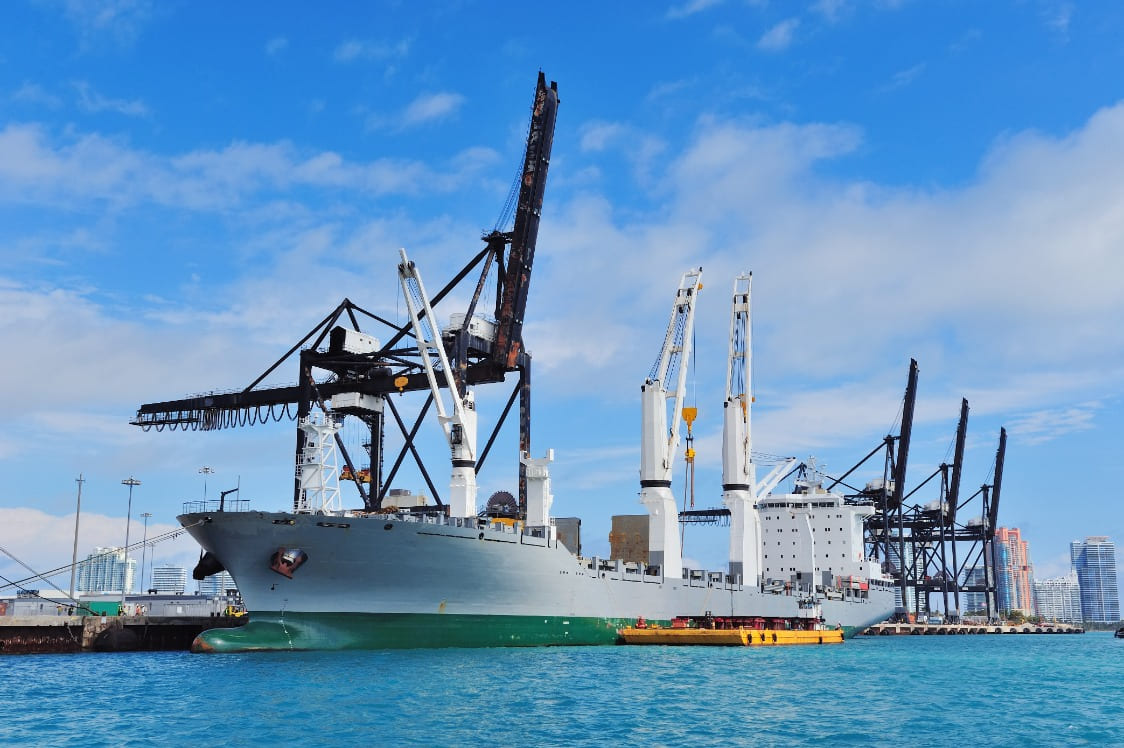
Maritime operators in the Arabian Gulf face significant challenges from prolonged vessel idling, which alters underwater hull dynamics. Many vessels remain anchored for extended periods amid regional disruptions, leading to rapid marine organism growth on hulls.
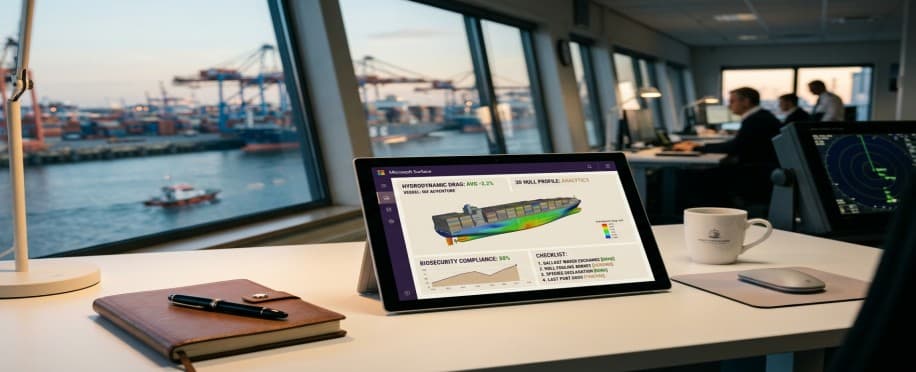
This biological buildup increases hull roughness, resulting in hydrodynamic drag that deteriorates vessel performance and leads to higher fuel consumption and engine loads, adversely affecting operational efficiency upon resuming transit.
The Arabian Gulf offers optimal conditions for swift biological colonisation due to a combination of elevated water temperatures and increased nutrient levels. The high temperatures accelerate the reproductive cycles of fouling organisms, while nutrient influx from coastal runoff and industrial activities provides a constant food source.
As a result, vessels that remain stationary for extended periods experience a noticeable decrease in the effectiveness of conventional antifouling coatings, which depend on water movement for proper function. This situation leads to unchecked biological growth on the hulls of long-term anchored vessels, transforming them into flourishing marine ecosystems.
Biofouling has evolved from a mechanical issue to a significant compliance risk on an international level. Invasive species on fouled hulls threaten coastal ecosystems, prompting maritime authorities worldwide to enforce strict biosecurity measures.
Notably, regions like Australia, New Zealand, California, and Brazil have implemented rigorous clean-hull regulations that mandate comprehensive Biofouling Management Plans, pre-arrival notifications, and verified cleaning documentation. Non-compliance can result in severe financial penalties, compulsory offshore cleaning, or outright denial of port access, compelling operators to avoid key maritime hubs entirely.
Prolonged anchorage in publicly monitored maritime zones presents notable security vulnerabilities, as stationary vessels become attractive targets for organised crime. These networks employ parasitic smuggling methods, utilising covert diving teams that secure waterproofed packages in hidden underwater compartments, including sea chests and rudder trunks.
Consequently, unsuspecting crews transport these concealed cargoes past security checkpoints, enabling further diving teams to recover the illicit items at their arrival ports.
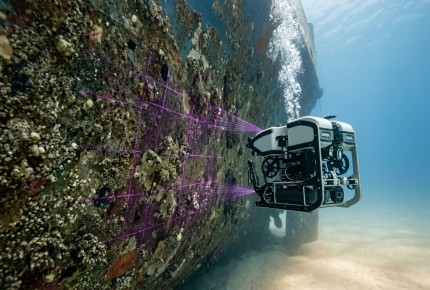
Before reactivating idle vessels, ship managers should conduct thorough underwater hull assessments using Remote Operated Vehicles (ROVs) and certified diver surveys. This approach aids in evaluating biofouling, identifying cleaning needs, and detecting security issues.
Ultimately, rigorous pre-voyage inspections are essential for meeting port regulations, optimising fuel efficiency, safeguarding marine ecosystems, and maintaining commercial performance during fleet operations.
Maritime Training Courses focus on biofouling risks, examining the accumulation of marine organisms on submerged surfaces and its potential to cause significant ecological, economic, and structural failures.