Subscribe to our newsletter
Copyright © 2026 lmitac.com All Rights Reserved. Contact - Terms and Conditions - Privacy Policy - Quality Policy - Vacancies - Sitemap
London Maritime Academy is a trade name for London Premier Group
version: 2.9.0
Subscribe to our newsletter
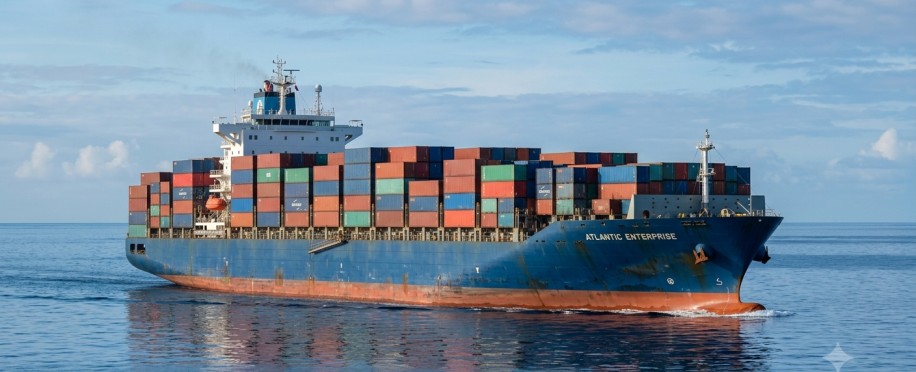
Every day, ships move billions of tonnes of cargo across the globe, but they can also transport invasive aquatic species through unmanaged ballast water. Understanding ballast water management (BWM) regulations is essential for shipping companies to comply with international standards, protect marine ecosystems, and avoid costly penalties. This guide explains the key IMO requirements, the BWM Convention, and the practical steps every ship operator should take to ensure safe and compliant ballast water management.
How do maritime operators maintain seamless global trade while staying compliant with strict international environmental laws? Today, international shipping handles over 80% of global trade volume, but transferring unmanaged sea ballast transports thousands of non-indigenous marine species across vulnerable coastal waters. According to IPBES findings, marine invasive species cause over $423 billion per year in economic damages worldwide, destroying local ecosystems and fisheries.
In this comprehensive guide, we examine what ballast water management regulations cover, the operational standards required by port state control authorities, and how proper compliance protects global marine ecosystems. Understanding ballast water management regulations is no longer optional—it is essential for risk mitigation, port access, and sustainable fleet management.
The primary ballast water management regulations refer to the framework set by the International Maritime Organization (IMO) under the BWM Convention. These international rules mandate that every sea-going vessel carrying ballast must actively manage its ballast water and sediments to prevent the spread of harmful aquatic organisms.
Under these ballast water management regulations, every ship operator must ensure their vessel follows strict operational guidelines. Compliance requires holding a valid certificate, keeping an active ballast water record book, and employing verified treatment methods before discharging ballast into international waters.
The BWM Convention Annex is structured into Sections A to E. Among these, the following ballast water management regulations represent the key compliance requirements for ship operators:
Defines the key terms used throughout the BWM Convention, including ballast water, sediments, and other regulatory terminology needed for consistent implementation. These definitions help ship owners, operators, masters, and crew understand their responsibilities under ballast water management requirements.
Requires each applicable vessel to carry an approved Ballast Water Management Plan (BWMP) describing ballast water operations, procedures, responsibilities, and actions required for effective compliance.
Defines the implementation requirements for ships, requiring vessels to manage ballast water according to the applicable IMO standards and compliance timelines.
Requires ships to minimize the accumulation of sediments in ballast tanks and manage their removal through appropriate cleaning and disposal procedures. Effective sediment control remains one of the challenges of Ballast Water Management, especially for older vessels.
Establishes the ballast water exchange method, requiring ships to achieve at least 95% volumetric exchange in open sea areas under specified conditions.
Establishes discharge limits for viable organisms in treated ballast water and requires ships to use approved ballast water treatment systems that meet IMO performance standards.
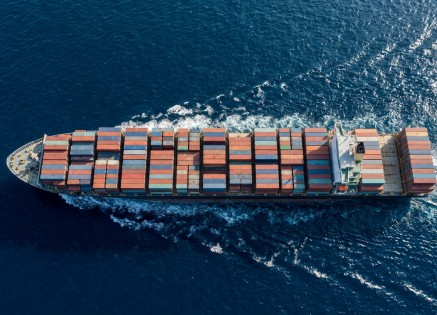
Strict ballast water management regulations govern international trade routes. Following established ballast water rules allows a vessel to enter Canadian, Australian, United States, or European ports without facing costly detention or administrative fines.
Port State Control officers thoroughly inspect electronic records and sample tanks. Meeting official ballast water management regulations prevents unexpected port delays, high penalty charges, and loss of commercial charter agreements due to ship's detentions.
Unmanaged ballast discharge could release invasive nonindigenous species into fragile marine environments. Compliance with ballast water management regulations directly halts the destruction of coastal ecosystems.
Vessels trading internationally must navigate overlapping frameworks, such as US Coast Guard (USCG) rules under Department of Homeland Security guidelines and IMO resolutions. Adhering to ballast water management regulations ensures seamless multi-jurisdictional operation.
Modern charterers prioritize vessels equipped with approved ballast water treatment systems and valid survey certificates. Following ballast water management regulations maintains high asset valuation and ensures long-term marketability.
Ships can comply by installing approved ballast water treatment systems, maintaining accurate records, and following the requirements of the BWM Convention. Achieving full ship discharge compliance requires a combination of technology, documentation, and trained crew members who have completed a Ballast Water Management Course.
| Compliance Requirement | Implementation Method | Regulatory Body / Guidance |
| D-2 Performance Standard | Install USCG or IMO approved treatment technologies | IMO MEPC Resolution / USCG NVIC |
| Record Keeping | Maintain physical or electronic ballast record book | IMO BWM Convention Guidelines |
| Tank Maintenance | Regular sediment cleaning and safe storage procedures | IMO Annex Regulation B-5 / USCG Subpart |
| Verification & Testing | Complete periodic survey and hold valid certificate | Flag State & Approved Class Societies |
Strict compliance with ballast water management regulations stops toxic active algae and predatory invasive species from establishing self-sustaining populations in host waters.
Regulating ballast discharge preserves vulnerable coastal habitats. By demanding compliance with ballast water management regulations, global maritime bodies protect native fish species and local aquatic food chains.
Modern treatment systems employ filtration, Ultraviolet (UV) radiation, or approved active substances to neutralize harmful microorganisms. Strict ballast water management regulations ensure that discharged water meets high environmental safety standards without introducing toxic residual chemical pollutants into local harbors.
Navigating modern ballast water management regulations is essential for maintaining smooth fleet operations and safeguarding global marine biodiversity. By investing in approved treatment technologies, maintaining accurate records, and keeping crew members fully trained, shipping operators can ensure long-term compliance and efficient operations.
Enhance your ballast water management knowledge with practical maritime training and stay prepared for evolving international compliance requirements.