Subscribe to our newsletter
Copyright © 2026 lmitac.com All Rights Reserved. Contact - Terms and Conditions - Privacy Policy - Quality Policy - Vacancies - Sitemap
London Maritime Academy is a trade name for London Premier Group
version: 2.9.0
Subscribe to our newsletter
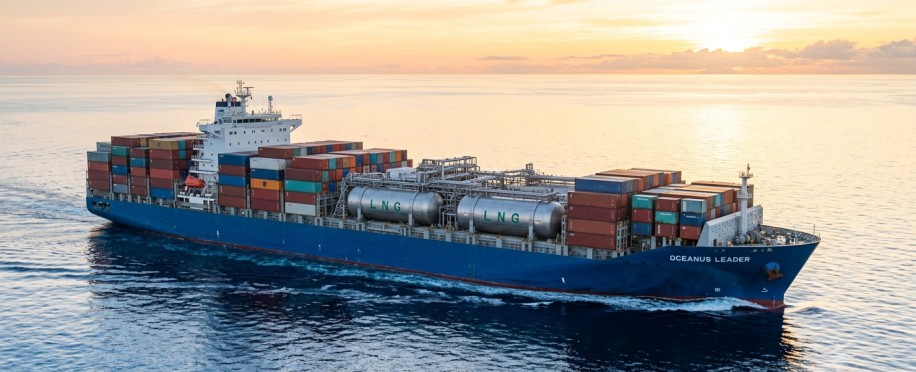
As the maritime industry accelerates its transition toward cleaner and more sustainable operations, alternative marine fuels are becoming a key solution for reducing greenhouse gas emissions and meeting evolving IMO environmental regulations. This article explores the leading alternative fuel options, their benefits, challenges, and their role in shaping the future of global shipping.
For more than half a century, heavy fuel oil (HFO) has powered the majority of the world’s commercial fleet, providing a reliable and cost-effective energy source for international shipping. However, the environmental impact of conventional marine fuels has placed the industry under increasing pressure to reduce emissions and accelerate the transition toward cleaner energy solutions.
As shipping moves toward the ambitious climate targets established by the International Maritime Organization (IMO), Alternative Marine Fuels are becoming a key part of the industry’s pathway toward reducing greenhouse gas (GHG) emissions and achieving a more sustainable future.
Heavy fuel oil remains widely used because of its availability, energy density, and established global supply network. Nevertheless, its combustion generates significant carbon dioxide (CO₂) emissions, Sulphur oxides (SOx), Nitrogen Oxides (Nox), particulate matter, and other pollutants that affect both the environment and human health.
The introduction of IMO MARPOL Annex VI requirements, including the global Sulphur limit of 0.50% m/m that entered into force in 2020, significantly changed marine fuel practices. While low-Sulphur fuels and exhaust gas cleaning systems have helped reduce air pollutants, the larger challenge of reducing carbon emissions remains.
Subsequently, this has been followed by additional measures to reduce greenhouse gas (GHG) emissions. These include the mandatory Energy Efficiency Existing Ship Index (EEXI) and Carbon Intensity Indicator (CII), which entered into force on 1 January 2023, enhanced fuel oil consumption data reporting requirements from 1 August 2025, and the approval of the IMO Net-Zero Framework, which is expected to introduce mandatory global marine fuel standards and a GHG pricing mechanism from 2027–2028, subject to formal adoption.
The transition away from conventional fuels will not be based on a single solution. Different vessel types, trading patterns, and operational requirements will influence the selection of future energy sources.
Liquefied Natural Gas (LNG) has been one of the earliest alternatives adopted by the shipping sector. LNG can significantly reduce Sulphur oxides and particulate emissions compared with traditional marine fuels, although concerns regarding methane emissions continue to influence discussions about its long-term role.
Methanol has gained considerable attention as shipping companies explore practical pathways toward decarbonization. When produced from renewable sources, green methanol has the potential to provide a lower-carbon fuel option while benefiting from easier storage and handling compared with some other alternatives.
Ammonia is considered a promising zero-carbon fuel because it produces no carbon emissions during combustion. However, its wider adoption requires further development in engine technology, bunkering infrastructure, safety procedures, and crew competence due to its toxic properties.
Hydrogen offers another potential route toward zero-emission shipping, particularly for certain vessel types. However, challenges related to storage, transportation, production costs, and infrastructure must still be overcome.
Biofuels and other renewable fuels may also contribute to the transition by providing solutions that can potentially be integrated into existing vessel operations with fewer modifications.
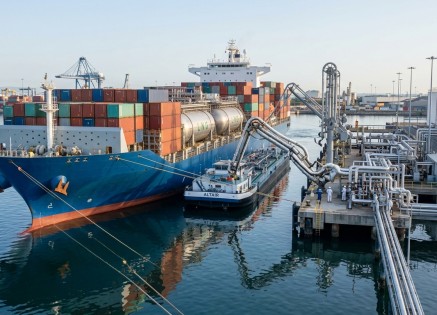
The introduction of Alternative Marine Fuels is not only a technological challenge; it is also a human and operational challenge. Each fuel type introduces different safety considerations, including handling procedures, storage requirements, bunkering operations, emergency response, and risk management.
The IMO International Code of Safety for Ships using Gases or other Low-flashpoint Fuels (IGF Code) provides an important framework for addressing safety requirements related to certain low-flashpoint fuels. As new fuels continue to develop, maritime professionals will require updated knowledge and practical skills to operate vessels safely and efficiently.
Training and competence development will therefore become increasingly important. Programmes such as LMA Marine and Coastal Environment Courses support maritime professionals in understanding emerging technologies, regulatory developments, and the operational challenges associated with the future fuel landscape.
The Organization is supporting a balanced approach between environmental progress, maritime safety, and operational feasibility.
Finally, the successful adoption of cleaner fuels will require cooperation across the entire maritime value chain. Shipowners, fuel producers, ports, classification societies, regulators, and seafarers must work together to develop the infrastructure, standards, and skills required for a successful transition.
The future of shipping will be shaped by innovation, regulation, and the industry's ability to adapt. Although challenges remain, Alternative Marine Fuels represent one of the most important pathways toward reducing emissions and creating a more sustainable maritime sector.
Moving beyond heavy fuel oil will require investment not only in new technologies but also in knowledge, training, and operational readiness. As global shipping continues its journey toward decarbonization, Alternative Marine Fuels will play a central role in building a cleaner, safer, and more resilient industry.