
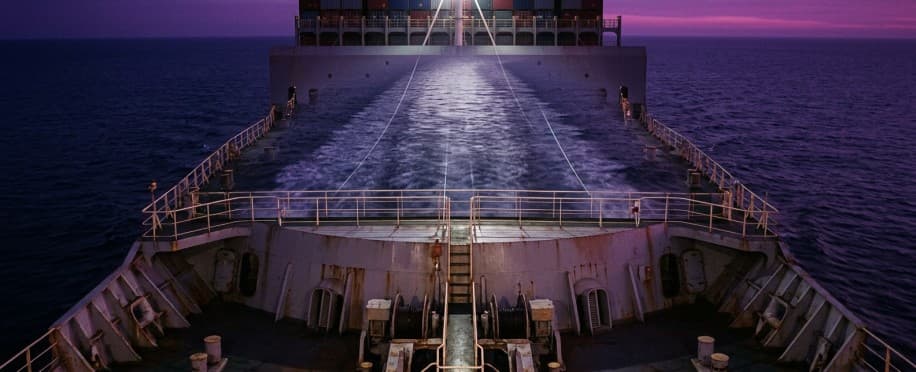
A ship garbage management plan is a vessel's operational blueprint for collecting, segregating, processing, and legally disposing of waste under MARPOL Annex V regulations. Beyond mere documentation, compliance relies on continuous alignment between written onboard procedures, actual crew habits, and accurate Garbage Record Book entries. Implementing a structured waste management framework ensures inspection readiness, protects marine ecosystems, and mitigates environmental liabilities across global trading routes.
A ship garbage management plan is the vessel’s practical guide for collecting, storing, processing and disposing of garbage in line with international pollution-prevention rules. It explains who is responsible, how different waste streams should be handled and what needs to happen before anything is discharged or landed ashore. In practical terms, it gives the crew a clear system to follow and gives operators a better way to prove that waste is being managed properly.
That last point matters. Garbage compliance is not simply about having the correct document onboard. What matters during day-to-day operations is whether the procedures in that document actually match what the crew is doing.
Under Annex V requirements, ships of 100 gross tonnage and above must carry a plan. The same requirement applies to ships certified to carry 15 persons or more, as well as fixed and floating platforms.
The plan should be written in the working language of the crew and identify the person responsible for putting it into practice. It should also explain how garbage is minimized, collected, stored, processed and eventually disposed of.
So, what does that look like onboard?
A useful ship garbage management plan should make several things immediately clear:
In other words, the plan should answer the questions the crew is likely to face during a normal voyage.
At the same time, garbage control is only one part of the vessel’s wider environmental obligations. Operators looking at the bigger picture can use this guide to marine pollution regulations to see how garbage requirements connect with other pollution-prevention responsibilities.
A strong shipboard waste management system follows garbage from the moment it is created until it finally leaves the vessel.
In practice, that means controlling four basic stages: collection, processing, storage and final disposal. Each stage needs to work properly because a weakness early in the process usually creates problems later.
Take collection, for example. Food waste, plastics and operational waste need clearly identified collection points. Otherwise, crews may separate waste differently from one department or watch to another.
From there, processing becomes important. If compactors, grinders or other equipment are fitted onboard, the crew should know who is allowed to use them and when. Storage then becomes the next consideration. This is especially important when waste needs to remain onboard for several days before the vessel reaches a suitable port reception facility.
And this is where vessel type and trading pattern start to come into play. A ship calling at large ports every few days may have regular disposal opportunities. A vessel operating on longer routes may need greater storage capacity and much tighter planning.

This is often where crews want the clearest answer.
The safest starting point is simple: garbage should remain onboard unless a specific discharge is permitted under the applicable rules.
Food waste is one of the main exceptions, although several conditions can change whether discharge is allowed. Distance from land matters. Processing matters. The vessel’s location also matters, particularly when operating in a special area.
So, before anything goes overboard, the crew needs to ask a few practical questions. Where is the vessel? Is it operating inside a special area? Has the waste been processed correctly? Is the vessel far enough from land? Is it currently en route?
These may sound like basic checks, but in real operations they can easily be overlooked. A busy port departure, unclear handover or badly segregated waste can quickly turn a straightforward rule into a compliance issue.
The consequences can also go beyond the inspection itself. This analysis of the impact of ship overboard discharge looks more closely at why disposal decisions have wider environmental and operational consequences.
The next part of the system is documentation.
Since 1 May 2024, mandatory garbage record book requirements have extended to ships of 100 gross tonnage and above. That means more smaller vessels now fall within the formal recording regime.
Entries can include waste delivered to port reception facilities, permitted discharges, incineration and accidental or exceptional losses. Depending on the activity, the record may need to include the date, time, vessel position, garbage category and estimated quantity.
Why does this matter?
Because the record book should tell the same story as the physical waste onboard.
For instance, if the ship garbage management plan says plastic waste will be retained for shore disposal, inspectors may expect the vessel’s storage arrangements, disposal receipts and record entries to support that claim.
That connection between paperwork and practice is important. When the two do not match, questions usually follow.
Interestingly, many problems do not begin with the regulation itself. They begin with small operational gaps.
The written procedure may be correct, yet the bins are labelled differently. The responsible person may have changed. Receipts may be missing. Storage areas may be poorly organized. Or crew members may understand their own routine without understanding why certain disposal restrictions apply.
This is where management attention becomes especially useful.
According to the 2024 study Optimizing Waste Management for Green Shipping: Industry Commitment Through Participatory Processes in Cyprus, researchers highlighted continuing challenges in ensuring that ship-generated waste reaches appropriate port waste-management systems. The findings underline a practical reality: good onboard procedures still depend on a reliable connection between the ship and the facilities available ashore.
Plastic waste deserves particular attention here because once it leaves the controlled waste stream, recovery becomes much more difficult. Operators looking at the wider prevention challenge can also explore these marine plastic pollution solutions.
A detailed ship garbage management plan is useful only when the crew can apply it confidently.
That is why training should go beyond simply reading the procedure. Crew members need to understand what to do when something does not go exactly as planned.
For example, what happens if different garbage categories become mixed? What should the crew do if storage space starts running out? And what changes if a planned reception facility is suddenly unavailable?
These are the situations where practical knowledge matters most.
This is also where targeted MARPOL Annex V garbage management training can help connect regulatory requirements with the decisions crews make during real shipboard operations.
Ultimately, the goal is consistency. Everyone involved should understand what happens to waste from the moment it is generated until it is legally discharged or transferred ashore.
Before an inspection, it helps to review the whole operating system rather than simply checking that the document exists.
Start with responsibility. Is the person named in the ship garbage management plan still the person carrying out that role?
Then move to the physical arrangements. Do the garbage categories in the plan match the labels, bins and storage areas onboard? After that, look at capacity. Is there enough storage for the vessel’s normal trading pattern, especially when reception facilities are limited?
Finally, compare the paperwork with actual waste movements. Records, receipts and onboard storage should all support one another. If they do, the vessel is in a much stronger position. If they do not, that inconsistency should be addressed before an inspector finds it first.
An effective ship garbage management plan gives the master, crew and shore team a practical system for controlling waste from generation through final disposal.
More importantly, it creates visibility. Operators can see whether procedures are being followed, whether the crew understands its responsibilities and whether documentation reflects what is actually happening onboard.
For shipping companies, that supports better inspection readiness, stronger environmental performance and clearer management oversight. And in day-to-day terms, it helps turn a regulatory requirement into a system that actually works.