
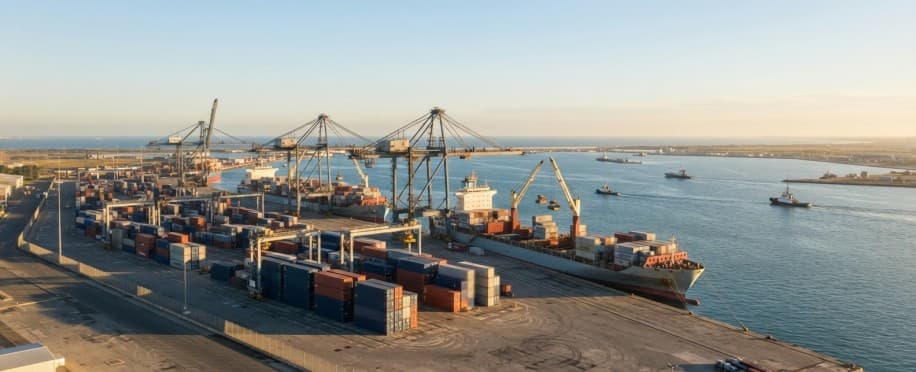
Under the International Ship and Port Facility Security (ISPS) Code, maritime security relies on seamless coordination across three distinct operational roles: the Ship Security Officer (SSO) onboard, the Company Security Officer (CSO) ashore, and the Port Facility Security Officer (PFSO) at the terminal. Understanding how their duties align protects vessels, cargo, and port infrastructure at every stage of a voyage.
Who is responsible for a ship's security when it enters a port? Who ensures that the vessel follows international security requirements? And who takes charge when a security threat affects both the ship and the port facility?
The answer depends on three roles. SSO vs CSO vs PFSO refers to the Ship Security Officer, Company Security Officer, and Port Facility Security Officer sequentially. The SSO manages security onboard the vessel, the CSO oversees security arrangements at the shipping company level, and the PFSO manages security within the port facility.
These responsibilities are established under the International Ship and Port Facility Security (ISPS) Code, which provides the international framework for protecting ships and port facilities against security threats.
In this article, we'll explain what each officer does, how their responsibilities differ, and how they work together to keep maritime operations secure.
The simplest way to understand these three positions is to consider where each officer works and what they are responsible for protecting.
| Role | Main responsibility | Area of responsibility |
| Ship Security Officer (SSO) | Implements the Ship Security Plan (SSP) | Onboard the vessel |
| Company Security Officer (CSO) | Oversees ship security assessments and security plans | Shipping company and assigned vessels |
| Port Facility Security Officer (PFSO) | Implements the Port Facility Security Plan (PFSP) | Port facility |
Although their responsibilities are different, all three officers contribute to the same security framework.
For example, a shipping company may have well-developed security procedures, but those procedures still need to be implemented onboard. Similarly, a vessel may have strong onboard controls, yet its security during cargo operations also depends on effective coordination with the port facility.
Let's examine what each position involves.
The Ship Security Officer is the designated person onboard a vessel responsible for implementing and maintaining its approved Ship Security Plan.
The SSO is accountable to the ship's master and acts as the main point of contact for onboard security matters.
The principal ship security officer duties include:
How does this work onboard?
When a vessel receives contractors while alongside a busy container terminal, the SSO must ensure that access controls are followed, visitors are properly authorised, and crew members understand the relevant procedures.
If a security weakness is identified, the officer must take appropriate action and report it through established channels.
These responsibilities make the SSO central to everyday vessel protection, highlighting the importance of the Ship Security Officer's role in maintaining effective maritime security.
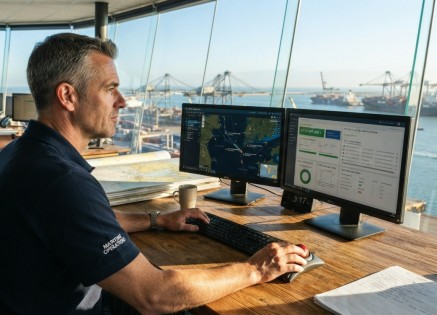
While the SSO manages security onboard, the company security officer ensures that the shipping company establishes and maintains the necessary security arrangements for its assigned vessels.
A CSO may oversee one vessel or several vessels, depending on the company's operations and the scope of the appointment.
The CSO's responsibilities include:
The distinction becomes particularly important when a vessel identifies a problem that requires company support.
For instance, if an onboard inspection reveals that essential security equipment needs replacement, the SSO reports the deficiency, while the CSO coordinates the necessary company-level response and follows up on corrective action.
This illustrates why effective maritime company security management across shipping operations requires strong communication between shore-based management and vessels.
The port facility security officer manages security arrangements at a designated port facility and oversees the implementation of its Port Facility Security Plan.
The PFSO is particularly important during the ship-port interface, where passengers, personnel, cargo, and supplies move between the vessel and the facility.
Key responsibilities include:
When a terminal receives a vessel carrying sensitive cargo, the PFSO coordinates facility-side access controls and communicates relevant arrangements to the SSO before cargo operations begin.
Why does this coordination matter? Because unclear responsibilities at the ship-port interface can create security weaknesses and disrupt operational schedules.
For port operators, developing the essential skills required by Port Facility Security Officers helps strengthen security preparedness and day-to-day coordination.
Understanding SSO vs CSO vs PFSO becomes especially important during port calls, when onboard security arrangements must align with those of the port facility.
For example, when a vessel approaches a terminal that has introduced additional protective measures because of an increased security risk, the three officers have different responsibilities:
Where required, the ship and port facility may also complete a Declaration of Security (DoS), which identifies how specific security responsibilities will be shared.
This arrangement helps both parties understand who is responsible for particular measures, especially when security conditions change.
One important distinction is that the SSO, CSO, and PFSO do not independently determine official ISPS security levels.
The relevant government authorities establish the applicable levels, while the designated officers ensure that appropriate measures are implemented.
Under the ISPS Code, there are three levels:
| Security level | Meaning |
| Level 1 | Minimum appropriate protective measures are maintained at all times. |
| Level 2 | Additional protective measures are introduced because of heightened risk. |
| Level 3 | Further specific measures are implemented when a security incident is probable or imminent. |
As outlined in the International Maritime Organization's ISPS Code guidance, the responsibilities of designated officers include maintaining security arrangements and coordinating measures across ships and port facilities.
For operators, the important consideration is whether personnel can respond promptly and correctly when the applicable security level changes.
Another important consideration in SSO vs CSO vs PFSO is the difference in qualification requirements.
The designated SSO must meet the applicable competence and certification requirements under the STCW Convention, including Regulation VI/5.
The CSO and PFSO also require appropriate knowledge and training to perform their responsibilities. However, their specific qualification requirements depend on the applicable national regulations and the nature of their appointments.
For seafarers preparing to take on onboard responsibilities, ISPS Code Ship Security Officer training can help develop knowledge of security procedures, threat identification, and incident response.
Before arranging training, employers should confirm that the programme meets the relevant administration's requirements.
Understanding the different roles is only the first step. Organisations also need to confirm that security responsibilities are understood and consistently applied.
A useful management checklist includes:
These questions help managers assess whether documented security arrangements are supported by effective operational practices.
The distinction between SSO vs CSO vs PFSO comes down to three connected areas of responsibility: onboard security, company-level oversight, and port facility protection.
Each officer has a defined role under the ISPS Code, but cooperation becomes essential whenever security responsibilities cross organisational boundaries.
For shipping companies and port operators, effective security management starts with appointing competent personnel and establishing clear procedures. It also requires reliable communication, regular training, and management support to ensure that protective measures work in everyday operations.ship-port interface.