Subscribe to our newsletter
Copyright © 2026 lmitac.com All Rights Reserved. Contact - Terms and Conditions - Privacy Policy - Quality Policy - Vacancies - Sitemap
London Maritime Academy is a trade name for London Premier Group
version: 2.9.0
Subscribe to our newsletter
Posted On: 9/19/2026, 5:26:03 PM
Last Update: 9/19/2026, 5:26:03 PM
On Thursday, September 17, commanders from the Swedish and Finnish fleets met and reached important agreements regarding initiatives to improve security in the Baltic. As part of the EU Maritime Security Strategy, the Finnish Border Guard concluded a three-day Marsec exercise that the EU partially funded.
According to the Finnish news agency Yle, Tuomas Tiilikanen, the commander of the Finnish Navy, explained to reporters the extent of the agreements made with his Swedish counterparts. The two nations agreed to share resources and take several actions.
Notably, Sweden is set to enhance its military presence in the Gulf of Finland by deploying one of its Visby-class maritime corvettes, which will operate under the command of the Finnish Defence Forces.
This strategic move aims to allow Finland to focus its naval resources in the eastern part of the Gulf, an area identified as facing significant threats, particularly from drone activities. The cooperation between Sweden and Finland reflects a proactive approach to address security concerns in the region.
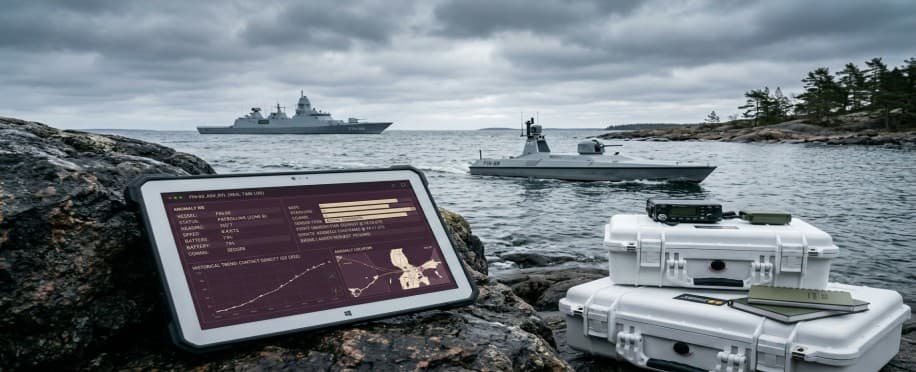
Moreover, Finland and Sweden are jointly exploring the procurement of unmanned surveillance vessels designed for monitoring, intelligence, and inspections. According to Yle, Tiilikanen mentioned that the two nations will temporarily share resources to maximise the benefits of these vessels, which are surface drones resembling sailboats. The first patrols are expected to commence before the end of the year.
Thursday marked the conclusion of the Marsec EU26 exercise, which was the third iteration of this training initiative and the inaugural event held in the Baltic region. The Finnish Border Guard led key aspects of the exercise, collaborating with the Helsinki Police Department, Finnish defence forces, and the Coast Guard.
Additionally, the exercise featured international observers and included contributions from the Polish Border Guard, which brought a vessel, as well as participation from the French Navy in the preparatory training activities.
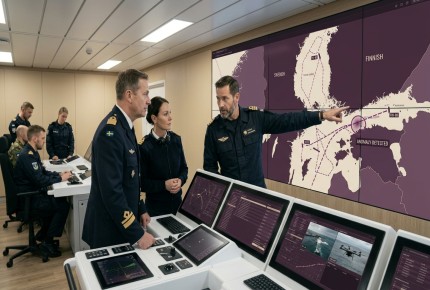
Interoperability among services was a key focus, involving information exchange, coordination of command centres, and targeting exercises. The Marsec exercise stressed managing maritime situations, responding to incidents, and monitoring activities.
During live training on Thursday, forces conducted exercises in detecting, boarding, and seizing a vessel that was dragging its anchor. This operation was part of the EU Cable Action Plan aimed at enhancing the security of critical underwater infrastructure. The Finnish Border Guard oversees the ISM (Integrated Surveillance Mechanism) project in the Baltic Sea, which aligns with the European Union's cable security action plan.
Furthermore, the operation involved the icebreaker Polaris as the target vessel, with the assistance of border guard boats and helicopters for boarding and seizure. Finnish authorities expressed their commitment to enhancing cooperation with the EU, particularly with the European Maritime Safety Agency. Their objective is to improve coordination and collaborative efforts with EU coastal states in the Baltic region to jointly develop technical and operational capabilities.
Maritime Safety Courses in London encompass the study of Baltic security, emphasising essential components such as regional defence strategies, geopolitical threats originating from Russia, and the integration of NATO within the Baltic states of Estonia, Latvia, and Lithuania. These courses aim to provide a comprehensive understanding of the security dynamics in this geopolitically significant region, highlighting the need for collaboration among these nations to address ongoing challenges and enhance mutual defence capabilities.