Subscribe to our newsletter
Copyright © 2026 lmitac.com All Rights Reserved. Contact - Terms and Conditions - Privacy Policy - Quality Policy - Vacancies - Sitemap
London Maritime Academy is a trade name for London Premier Group
version: 2.9.0
Subscribe to our newsletter

Posted On: 6/11/2026, 8:47:35 AM
Last Update: 6/11/2026, 8:47:35 AM
The UN FAO’s director-general, Qu Dongyu, stated that the primary risk of closing the Strait of Hormuz is a fertiliser and production shock for the agri-food industry, rather than an immediate food shortage.
Speaking at the FAO Council's 181st Session, he noted that after 100 days of crisis, the impact on farmers globally is becoming 'increasingly visible'.
Dongyu highlighted the urgent requirement for efficient fertiliser use during the Strait of Hormuz crisis, which poses severe challenges to global agri-food systems. He noted that farmers in Asia, Africa, and Latin America are experiencing rising production costs and difficult choices regarding fertiliser and crop selection.
The FAO has introduced a recommendations package outlining immediate, medium, and long-term actions to address global food security. Immediate actions include keeping trade open, avoiding export restrictions on agricultural inputs, and protecting humanitarian food corridors.
Notably, Dongyu emphasised that the closure of the Strait of Hormuz poses a global food security risk, as it handles significant percentages of global crude oil, liquefied natural gas, fertiliser, and sulphur exports, all crucial for food production and agricultural inputs.
The FAO is enhancing fertiliser efficiency through soil mapping and precision agriculture, promoting intercropping to lessen reliance on nitrogen fertilisers. It is also developing innovation funds for alternative fertilisers like green ammonia and biofertilisers.
Additionally, the director-general warned that El Niño-related weather risks could threaten food security in countries already facing crises, and the FAO has intensified warnings regarding the impacts of the Strait of Hormuz crisis.
Maritime Safety Courses highlight the need to understand the six main elements of food systems to address global food security. They underscore how macro-level dangers such as climate-related shocks and geopolitical supply disruptions affect present crises.
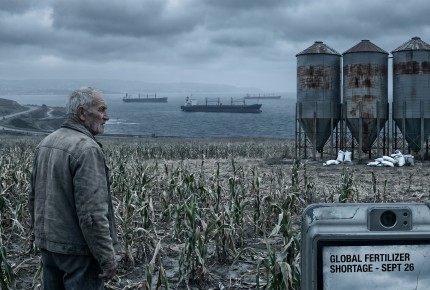 Global Fertiliser Shortage Hits Farmers
Farmers are facing operational challenges due to a fertiliser shortage, with Brazil being significantly impacted. Rising import costs, low crop margins, and increasing debt are compelling Brazilian farmers to re-evaluate their expansion strategies as they prepare for the September planting season.
Some experts predict that agricultural expansion in Brazil will decelerate due to rising costs. Purdue University economist Joana Colussi indicated that farmers are prioritising essential inputs like fertiliser over land purchases.
Meanwhile, the shortage is affecting planting strategies, with some growers contemplating reduced fertiliser use or switching to less input-intensive crops, which may lead to lower yields and tighter food supplies later this year.
Fertiliser shortages and increased fuel costs are causing concerns about global agricultural production, particularly in Asia. Delayed plantings may lead to diminished harvests owing to El Niño-related conditions.
Furthermore, farmers in the U.S. are adjusting their fertiliser usage and delaying purchases due to high prices, which may threaten profitability and future productivity. Experts indicate that these fertiliser shortages are prompting farmers to slow expansion, cut investments, and reevaluate crop plans in response to rising input costs affecting profit margins.
FAO members at the 181st Council Session focused on the outcomes of the 2026 Regional Ministerial Conferences. The organisation noted a shift in Africa's narrative from challenges to opportunities, highlighting its 60% share of the world's uncultivated arable land and youthful population.
Dongyu called for support for the AU Kampala Strategy, aiming to mobilise US$100 billion, enhance agri-food production by 45%, and triple intra-African agricultural trade.
In December 2025, the FAO initiated its first Global Emergency and Resilience Appeal, targeting 100 million people by 2026. By the end of May, it had garnered US$206 million of the US$2.5 billion needed, accounting for about 8% of the goal.
FAO's efforts in Sudan have successfully vaccinated over 6.2 million livestock, benefiting approximately 1.9 million people. In Gaza, support for over 2,200 herders through emergency livestock feed has helped families sustain their herds and food production.
In the Asia-Pacific, the FAO focuses on harnessing agricultural capacities to benefit smallholders through technology and commerce.
Overall, the FAO's goal in Latin America and the Caribbean is to protect hunger-reduction achievements while also addressing the costs of healthy diets and rural poverty. The Near East Regional Conference stressed critical issues such as climate change, rural transformation, and water scarcity.
Read more news: