Subscribe to our newsletter
Copyright © 2026 lmitac.com All Rights Reserved. Contact - Terms and Conditions - Privacy Policy - Quality Policy - Vacancies - Sitemap
London Maritime Academy is a trade name for London Premier Group
version: 2.9.0
Subscribe to our newsletter
Posted On: 5/20/2026, 8:23:22 PM
Last Update: 5/20/2026, 8:23:22 PM
The UK government has eased sanctions on Russian oil refined into diesel and jet fuel in third countries, effective Wednesday, due to rising prices and supply concerns linked to the US-Israel conflict with Iran in the Strait of Hormuz.
Plus, a few restrictions on the transportation of Russian LNG have been removed.
The government acknowledged the need for more flexibility despite tightened overall restrictions, similar to a US measure that faced backlash. While European jet fuel prices surged more than twice their initial level at the war's onset, they have since halved; however, UK pump prices are still rising.
According to the RAC, unleaded petrol prices in the UK reached an average of 158.52p per litre, the highest since the war began. In response to soaring jet fuel prices, several airlines have cancelled flights and increased prices.
The UK has historically spearheaded international efforts to economically pressure Russia due to its actions in Ukraine.
On Tuesday, it reaffirmed its commitment to impose severe costs on Russia, signing a G7 statement. The government plans to ban oil products refined from Russian crude in third countries, including diesel and jet fuel.
Easing sanctions would enable imports of jet fuel from India, a former key supplier to the UK and Europe, while noting that much Russian crude is refined in Turkey.
The new rules for sanctioned processed oil products will last indefinitely, but will be periodically reviewed for potential amendments or revocation.
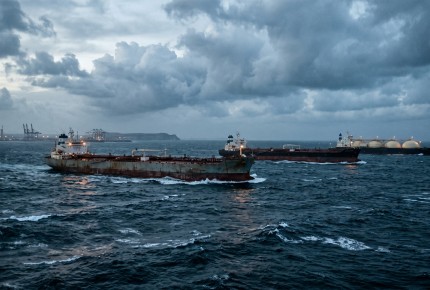
Additionally, the UK has issued a temporary licence for the maritime transportation of LNG and related services under Russian sanctions, valid until 1 January.
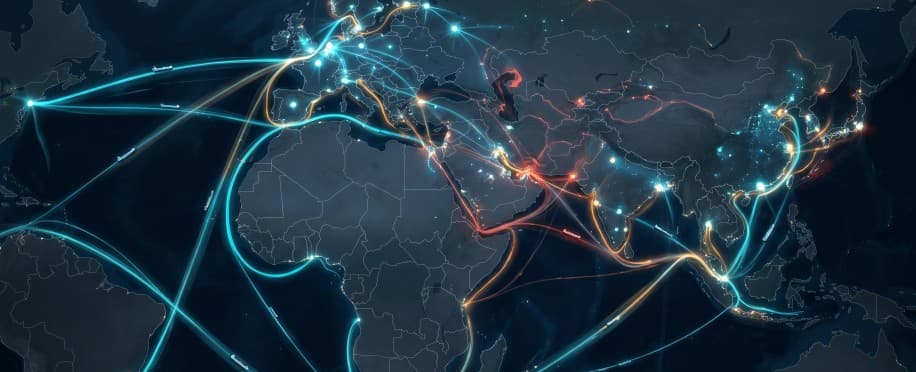
Maritime Safety Courses in London investigate sanctions on diesel and jet fuel, which are changing global energy flows, reducing supply routes, and refining choices. Europe is turning to Gulf suppliers because of waivers, crude-origin laws, and geopolitical concerns. These changes are raising aviation costs and putting pressure on energy-dependent sectors.
Treasury minister Dan Tomlinson discussed a targeted change to secure the supply of essential goods such as jet fuel, emphasising the government's commitment to support Ukraine while addressing the cost-of-living issues for families.
Notably, Robin Mills, CEO of Qamar Energy, critiqued the UK's potential retreat on sanctions against Russia, stating it sends a negative signal about the strength of such sanctions.
He expressed scepticism regarding the likelihood of jet fuel shortages, deeming the measure unnecessary since it would not reduce prices or address a non-existent shortage issue.
Likewise, Dame Emily Thornberry, Labour chair of the foreign affairs select committee, opposed the government's easing of sanctions on Russian oil, expressing disappointment from Ukrainian allies and stressing the need for Britain's support amidst confusion among Ukrainians regarding the decision.
She criticised the UK for mimicking Spain's and the US's flawed actions.
Concurrently, Conservative leader Kemi Badenoch condemned the government for importing Russian oil refined in third countries, despite prior opposition to Putin. She highlighted that while Labour MPs opposed new UK oil and gas licenses, the UK still imports Russian oil instead of pursuing domestic options in the North Sea.
Earlier this week, the US extended a waiver permitting other countries to buy Russian oil and petroleum at sea, aimed at stabilising global energy markets.
This policy, introduced in March, has attracted criticism from US and UK allies for allegedly supporting Russian President Vladimir Putin during the ongoing invasion of Ukraine that started in 2022.
Furthermore, French President Emmanuel Macron stated that the closure of the Strait of Hormuz does not warrant lifting sanctions on Russia. Ukraine's President Zelensky contended that payments for Russian oil contribute to the war.
Conversely, UK Foreign Secretary Yvette Cooper refrained from criticising the US's March decision, referring to it as a "specific, targeted issue." The UK government revealed new, stricter restrictions on Russia, including additional import and export bans.
These sanctions target the sale of refined oil products and Russian uranium imports, alongside banning maritime services for LNG. They also restrict Russia's shipping and insurance access in the UK to impede LNG transport, aiming to reduce Russian revenues and weaken its military efforts in Ukraine.
In essence, Britain has issued a time-limited licence for the maritime transportation of liquefied natural gas from Russia's Sakhalin-2 and Yamal projects, covering related services such as shipping, financing, and brokering, valid until January 1 next year. These projects are significant gas export initiatives in Russia.
Read more news: