Subscribe to our newsletter
Copyright © 2026 lmitac.com All Rights Reserved. Contact - Terms and Conditions - Privacy Policy - Quality Policy - Vacancies - Sitemap
London Maritime Academy is a trade name for London Premier Group
version: 2.9.0
Subscribe to our newsletter
Posted On: 6/3/2026, 6:30:00 PM
Last Update: 6/3/2026, 6:30:00 PM
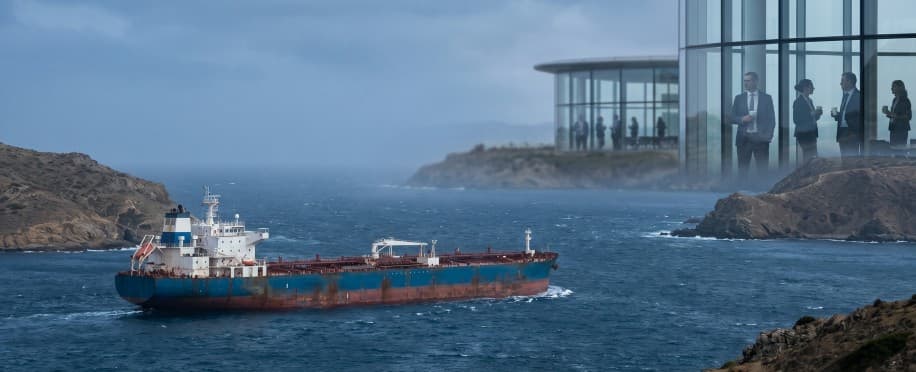
On the first day of the Posidonia conference in Athens, the outline of the largest conference for the Western shipping industry was unveiled.
This will be the largest Posidonia ever, following the largest Marintec China conference ever, a sign of the industry's growth and well-being.
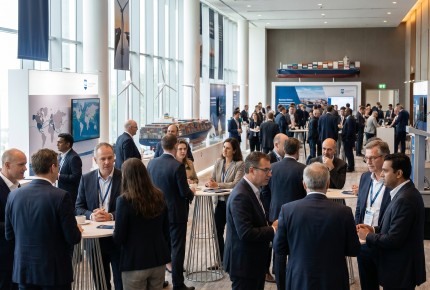
2,200 exhibitors have flocked to the Athens Metropolitan Expo centre to meet an estimated 40,000 attendees over the course of five days amid geopolitical unpredictability (and rising airfare prices).
Although they are expected to spend more than $100 million on lodging, food, and transportation in the region, the deals reached at the event should be far more valuable.
As might be expected, discussions on the first day soon shifted to decarbonisation and the future of the IMO Net Zero Framework (NZF). Some Greek shipping organisations oppose the regulatory plan because they believe it will have unpredictable effects on operations and profitability and make it more difficult to plan for fleet expansion.
Moreover, Greek maritime affairs minister Vasilis Kikilias urged IMO member states to “be reasonable” with their decarbonisation policies, listen to shipowners, and move slowly in his opening keynote speech at a Capital Link event on Monday.
“This will allow us to gain time, discuss, and gradually reach a real decision at the IMO on the important and serious issues.”
“First and foremost, safety,” Kiliakis informed the audience.
Later in the day, he was followed by three prominent tanker owners from Saudi Arabia and Greece, who expressed their opposition to the emissions plan, as well as IMO Secretary General Arsenio Dominguez, who expressed confidence in its long-term success and pushed back on any “negativity” about the prospects for an emissions regulation system.
The circumstances in the Strait of Hormuz also played a significant role, particularly the consequences for sailors stranded within the Arabian Gulf. “The first objective is always to engage seafarers, to engage, so they can actually leave the conflict zone,” Dominguez said.
Besides, many owners seem confident that a ceasefire agreement and the reopening of the waterway are within reach, despite differing opinions on the timing. Leading Greek tanker owner Evangelos Marinakis expressed optimism, saying, “I am quite optimistic that waiting for a couple of weeks or a month, a solution will be found.”
Maritime Courses in London examine shipping resilience amid geopolitical unrest, emphasising disruptions at major chokepoints like the Red Sea and the resultant costly route diversions. They analyse economic impacts on supply chains, including increased freight rates and container shortages, and explore mitigation strategies such as naval protection, digital risk-tracking tools, and port diversification to sustain global trade.
Read more news: