
Posted On: 11/10/2026, 8:07:39 PM
Last Update: 11/10/2026, 8:07:39 PM
US President Donald Trump stated in a phone interview with Reuters that both Qatar and Saudi Arabia are seeking a peaceful resolution to the ongoing conflict with Iran.
However, he emphasised that the United States remains prepared to resume military strikes if the situation demands it.
During his conversation, which followed a meeting with the Qatari prime minister, Trump noted that both countries prefer a diplomatic approach, asserting, “Qatar would rather see a peaceful solution” and “Saudi Arabia would rather see a peaceful solution.”
Despite this preference, Trump conveyed a readiness for military action, expressing, “we're ready to go anytime we want” with strikes.
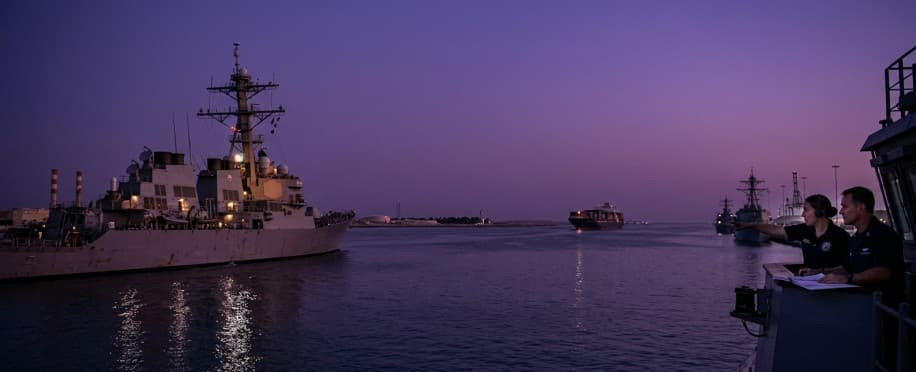
Trump indicated that he was not in a hurry to resume military strikes against Iran, expressing satisfaction with the ongoing US naval blockade in the Strait of Hormuz.
In a brief phone interview, he stated, “We'll see where it goes,” adding, “I'm prepared.”
Trump stated in a Truth Social post that he had a productive discussion with Sheikh Mohammed bin Abdulrahman bin Jassim Al Thani.
He stressed that several Middle Eastern countries prefer maintaining the current status quo, which includes the naval blockade and Operation Iron Gate, asserting that preventing Iran from acquiring a nuclear weapon is non-negotiable.
Additionally, he claimed that Israel and the region are currently safeguarded from Iranian threats.
Qatar's Prime Minister, Al Thani, expressed satisfaction after recent discussions with former U.S. President Donald Trump and Vance. He described the meetings as positive and conveyed gratitude for productive conversations aimed at reaching a deal and promoting peace in the region. Al Thani shared his sentiments through a post on social media platform X / Twitter.
Meanwhile, Iran's top security official, Mohsen Rezaei, criticised the United States for spreading “fake news about imaginary talks,” calling for the US to adhere to the “seven conditions” that Iran has consistently outlined.
In a post on X, he argued that the ongoing conflict with Iran has significantly harmed the US government, likening its current stance to that of a “desperate gambler” and urging it to “fold” or concede its position.
Furthermore, Rezaei pointed out the need for the US to acknowledge the emerging “West Asian new order,” indicating a shift in regional dynamics that he believes should be recognised by Washington.
In closing, Rezaei claimed that Iran is currently deliberating the potential lifting of its long-standing nuclear weapons ban, particularly in response to renewed hostilities from the United States. He underlined that discussions surrounding nuclear issues are contingent upon the US fulfilling Iran's demands.
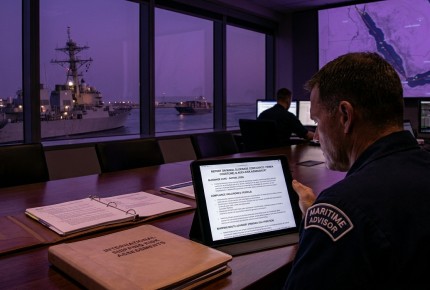
Maritime Training Academy analyse shipping security through naval blockades and strategic operations that protect key areas like the Strait of Hormuz. They focus on risk and threat mitigation by assessing geopolitical stability and regional defence strategies to counter naval threats, while also emphasising operational control to maintain order, secure commercial shipping lanes, and prevent conflict escalation.


