
Posted On: 10/20/2026, 2:08:47 PM
Last Update: 10/20/2026, 2:08:47 PM
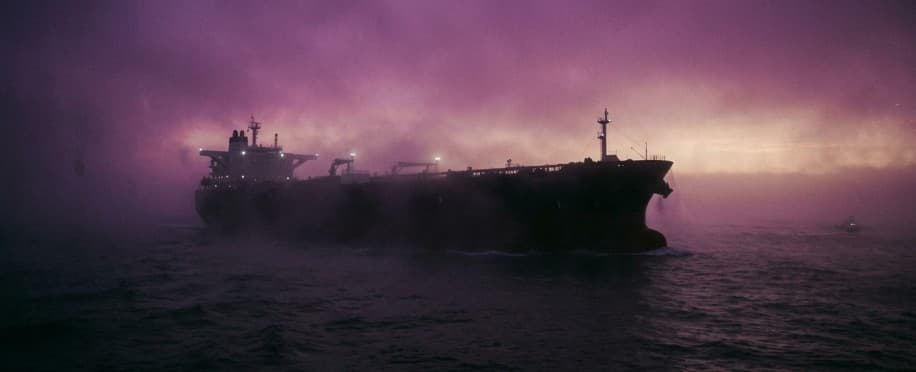
The UK Maritime Trade Operations (UKMTO) is facing challenges in monitoring maritime security around the Strait of Hormuz due to the high frequency of attacks on commercial shipping.
Many vessels attacked are reportedly no longer reporting these incidents directly, complicating UKMTO's efforts to maintain accurate records.
In its recent weekly assessment, UKMTO acknowledged its difficulties in reporting the true number of attacks and noted that while it has knowledge of additional incidents from other sources, these cannot be verified or included in its official figures.
UKMTO has reported 135 incidents related to the Iran-US conflict since hostilities began on February 28. This includes 114 reports of vessel damage and 76 casualties (killed or injured).
In the latest weekly assessment, there were twelve attacks documented, with ten occurring in the Strait of Hormuz, one in the Arabian Gulf, and another in the Gulf of Oman.
Among the vessels impacted, one was lost, two were disabled, and three had unconfirmed outcomes. The violence has persisted over the weekend, expanding beyond Hormuz's narrow confines.
On Friday, the VLCC ST3, measuring 302,977 dwt and registered under the Marshall Islands flag, was hit by an unidentified projectile about 68 nautical miles northeast of Al Jubail, Saudi Arabia. This incident resulted in an engine room fire, causing the vessel to lose power.
Fortunately, all 15 Indian crew members were safely evacuated to a nearby UAE-flagged containership. Additionally, on the same day, another tanker was attacked around 78 nautical miles northeast of Al Jubail, suffering damage from a rocket-propelled grenade fired from a small boat. While the crew members of this vessel were reported safe, the full extent of the damage remains unclear.
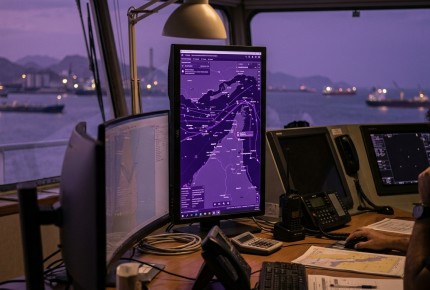
On Saturday, Iran's Islamic Revolutionary Guard Corps (IRGC) reported that two supertankers, each carrying over 2 million barrels of crude, hit naval mines while trying to navigate Hormuz without authorisation.
Remarkably, the IRGC claimed one vessel exploded in its engine room, and both caught fire. However, the ships remain unidentified, and independent verification is lacking. The Joint Maritime Information Centre (JMIC) indicated there is no evidence to support the claims made by Iran.
On Sunday, a tug was struck by two unidentified projectiles while travelling south 20 nautical miles northeast of Khorfakkan, resulting in minor injuries to one crewmember and damage to the vessel, which continued its voyage.
Likewise, on Saturday, a skiff with seven individuals approached an LNG carrier in the Gulf of Aden, firing two shots before the carrier's armed security team responded with warning shots, prompting the attackers to retreat.
Maritime authorities are treating the incident as suspected piracy, not as a confirmed Iranian attack.
Oil transportation remains resilient despite ongoing violence, with approximately 13.9 million barrels of crude and 2.3 million barrels of oil products still flowing through Hormuz daily.
Scandinavian bank SEB reported that the current disruption is primarily a risk-premium issue rather than a blockage of oil volumes, noting that oil continues to flow through the established shuttle system for exports.
The distinction between cargo volumes and vessel movements is crucial, as demonstrated by UKMTO’s recent statistics indicating 254 vessel transits in a week, about 70% lower than pre-war levels. Furthermore, JMIC reported around 217 vessels anchored near Fujairah and Khorfakkan on Sunday, with congestion continuing to increase outside the strait.
Maritime Safety Courses analyse various threats, including piracy and cyberattacks, stressing the need to address operational vulnerabilities through ship hardening, best management practices, and strategic rerouting. These measures, along with international naval coalitions, aim to protect global supply chains from significant economic and geopolitical disruptions.


